
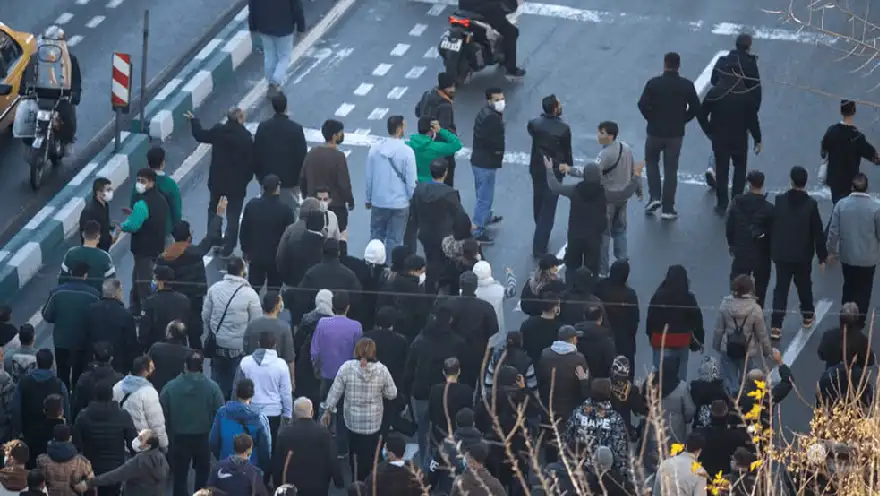


Protests have been ongoing in Tehran for the second day, sparked by the sharp depreciation of the national currency and rising prices. The majority of the participants are representatives of the trade sector. Shops have been temporarily closed in several areas of the city, including markets and shopping streets, Iranian media reported.
The source of discontent was the significant decline in the rial's exchange rate against the US dollar. As of December 28, the exchange rate stood at approximately 1,445,000 rials per dollar. Against the backdrop of currency fluctuations, high inflation remains. According to official statistics, since the beginning of the year, food prices have exceeded 50 percent, and the rate has risen significantly.
The authorities have announced their intention to take measures to stabilize the currency market and warned of legal liability for speculative actions. At the same time, state media emphasize that external factors and sanctions are exacerbating economic difficulties.
Earlier, the government submitted to parliament a draft budget for the new year, which envisages an increase in tax revenues. The country's president acknowledged that the state's ability to offset price increases for the population remains limited.
Market conditions remain tense, despite minor exchange-rate fluctuations over the past few days.