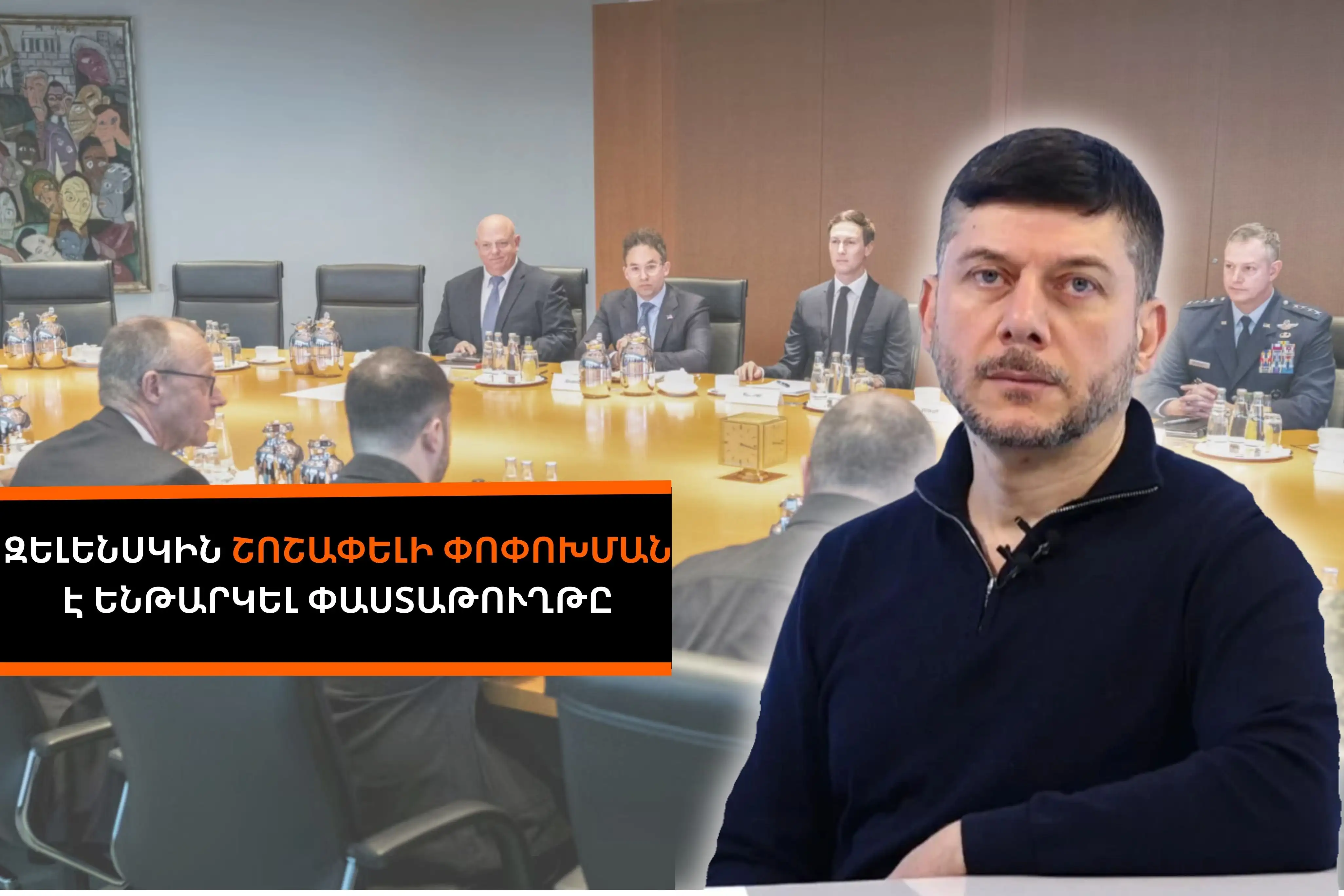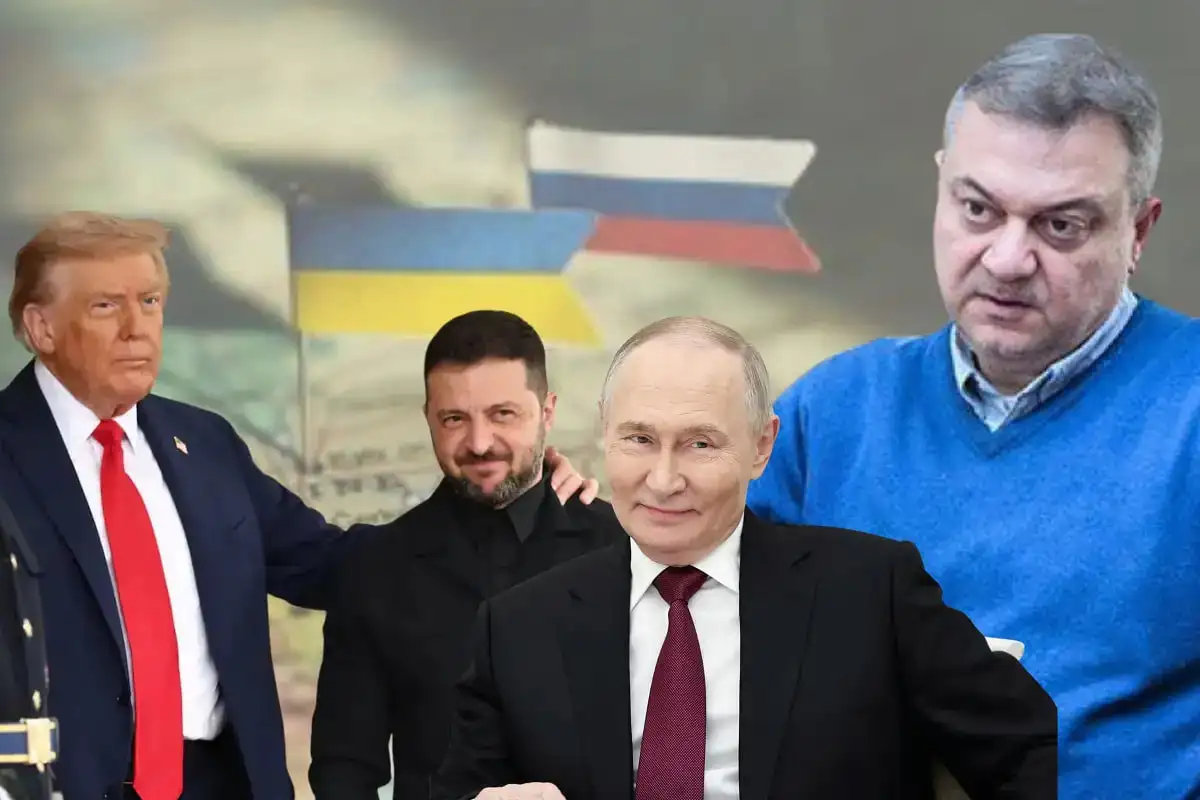

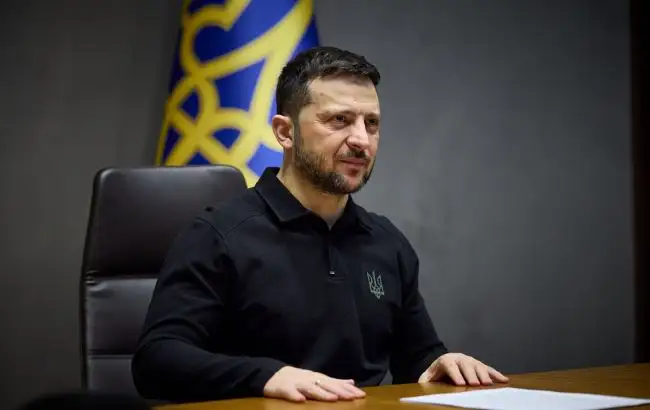


Ukrainian President Volodymyr Zelenskyy has given details of the peace plan that Ukraine, the United States, and Russia have been discussing for two months. According to Zelenskyy, the plan's 20 points also reference other potential documents.
In addition to the peace plan itself, there are the following documents:
- A trilateral document on security guarantees between Ukraine, the United States, and Europe
- A bilateral document on security guarantees for Ukraine from the United States.
- The Roadmap for Ukraine's Prosperity, developed by the United States, is a recovery and economic development document outlining a vision for Ukraine's economic development through 2040.
Radar Armenia presents all 20 points that have been presented in the Ukrainian press.
- Confirmation of Ukrainian sovereignty
- A non-aggression pact between Russia and Ukraine. Establishment of a monitoring mechanism along the contact line
- Ukraine will receive "solid security guarantees."
- The size of the Ukrainian army in peacetime will be limited to 800,000 personnel.
- The US, NATO, and Europe will provide Ukraine with security guarantees similar to Article 5 of the NATO Charter. If Russia invades Ukraine, there will be a military response, and sanctions will be reinstated. If Ukraine invades Russia or opens fire on Russian territory without provocation, the security guarantees will be revoked.
- Russia will enshrine its commitment to non-aggression toward Europe and Ukraine in law.
- Ukraine will become an EU member within a specific timeframe and will receive short-term preferential access to the European market.
- A global development package for Ukraine that will include the development of gas infrastructure and mineral extraction.
- The creation of several funds to address reconstruction in Ukraine. The goal is to attract $800 billion.
- Accelerated conclusion of a free trade agreement between Ukraine and the United States
- Ukraine's nuclear-weapon-free status
- No compromise yet on the Zaporozhye nuclear power plant. American proposal: joint management by Ukraine, the United States, and Russia. Ukrainian proposal: joint management by Ukraine and the United States. The Zaporozhye nuclear power plant and the Kakhovka hydroelectric power station should be demilitarized. Ukraine and Russia commit to implementing educational programs that will promote cultural understanding and tolerance. Ukraine will implement EU rules on religious tolerance and the protection of minority languages.
- The territorial issue is the most difficult. Ukraine insists on a ceasefire regime along the current section of the combat contact line. Russia demands the complete withdrawal of Ukrainian troops from the Donetsk region. As a compromise, the United States has proposed creating a free economic zone in the Donetsk region. Still, Zelensky has said that Ukraine can accept this only through a referendum, which it needs 60 days to organize, and only with a real ceasefire.
- Russia must withdraw all its troops from the Dnipropetrovsk, Sumy, Kharkiv, and Nikolayev regions.
- Once an agreement is reached on future territorial arrangements, Russia and Ukraine commit not to change these arrangements by force.
- Russia will not impede Ukraine's use of the Dnieper River and the Black Sea for commercial activities.
- Exchange of all prisoners of war, return of civilian hostages, including children and political prisoners. Creation of a humanitarian committee to assist victims of the conflict.
- Ukraine must hold elections as soon as possible after the agreement is signed.
- This agreement will be legally binding. Its implementation will be monitored by a Peace Council headed by Donald Trump. Sanctions will be imposed for violations.
- Upon all parties' agreement, a complete ceasefire will take effect immediately.
It should be noted that Zelensky recently announced that the issue of territories should be decided by the people of Ukraine, through elections or a referendum.
Regarding elections, a working group has now been formed in the country's parliament to draft a law. This concerns holding a vote under martial law. As explained by the Rada speaker, Ruslan Stefanchuk, this concerns the presidential elections.