
World
We expect Armenia and the EU to eliminate harmful provisions: Azerbaijani Foreign Ministry
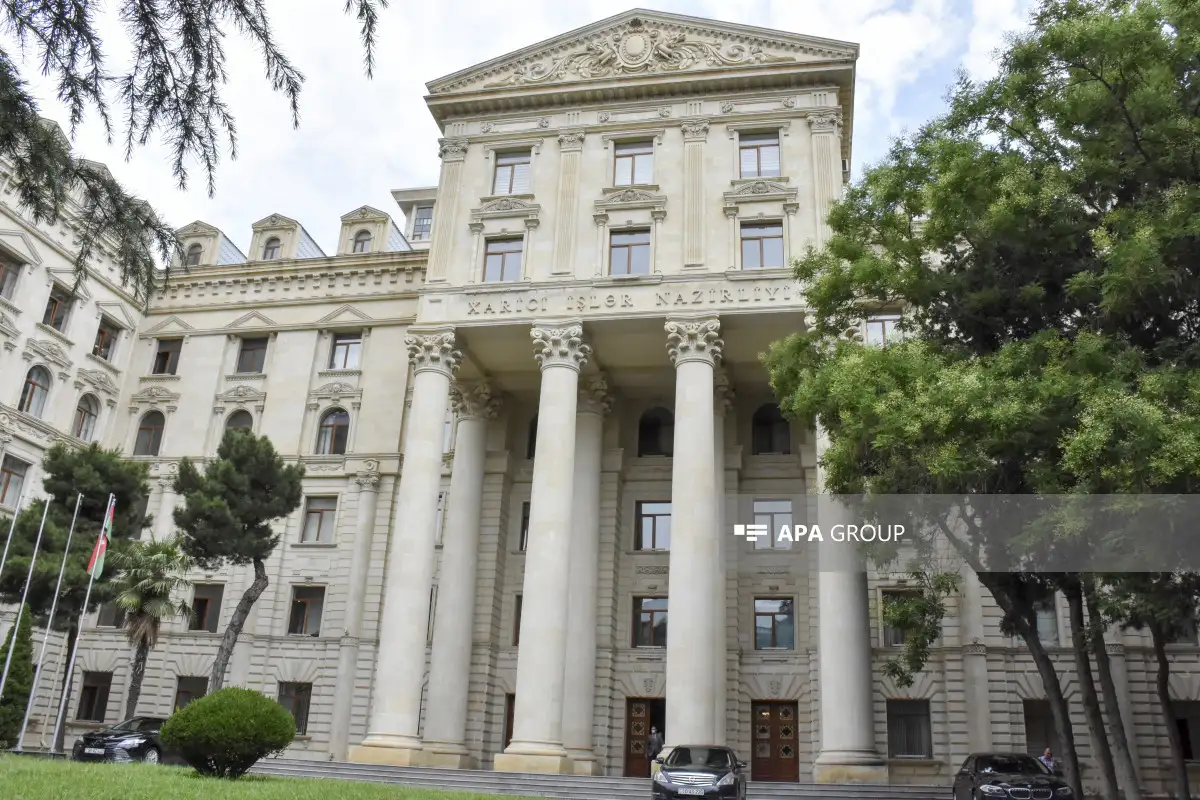


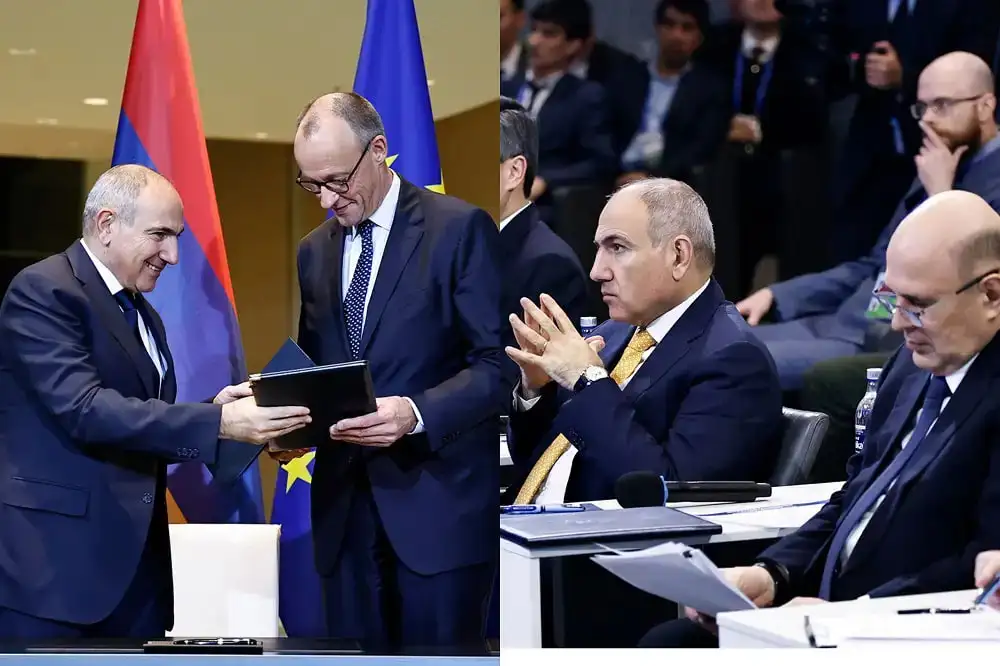
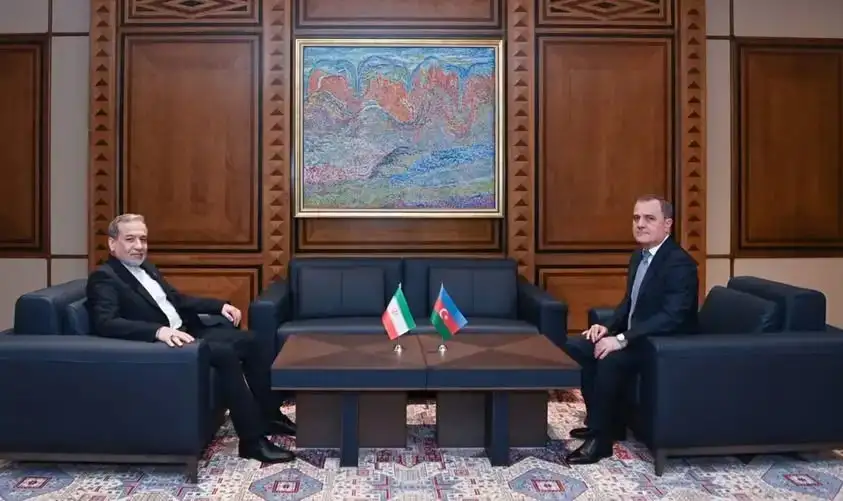
Official Baku has expressed grave concern about the content of the document “Strategic Agenda for the EU-Armenia Partnership” signed following the 6th meeting of the Partnership Council in Brussels.
The Azerbaijani Foreign Ministry’s commentary emphasizes that the document contradicts the post-conflict realities and the peace process agenda between Armenia and Azerbaijan.
According to Baku, the agenda raises serious concerns and undermines prospects for cooperation between Azerbaijan and the EU.
“The use of the phrase “Karabakh Armenians displaced as a result of Azerbaijani military operations” in the introductory part of the document and in several other sections, which refers to Armenian residents who voluntarily migrated from our country to Armenia after the rejection of the reintegration program presented by Azerbaijan, and the definition of this issue as a priority of the EU-Armenia partnership, as well as the inclusion of this category of persons in the status of “refugees”, is a clear example of bias towards Azerbaijan.
Moreover, in the section on the EU’s possible contribution to the settlement of the situation in the region, the document clearly states its support for the full, immediate, and effective implementation of all relevant decisions of the International Court of Justice, which clearly refers to Armenia’s well-known claims against Azerbaijan.
Including Armenians accused and convicted of crimes against humanity and war crimes in the list of “prisoners” and prioritizing their release is a severe distortion of reality,” the statement issued by Baku says.
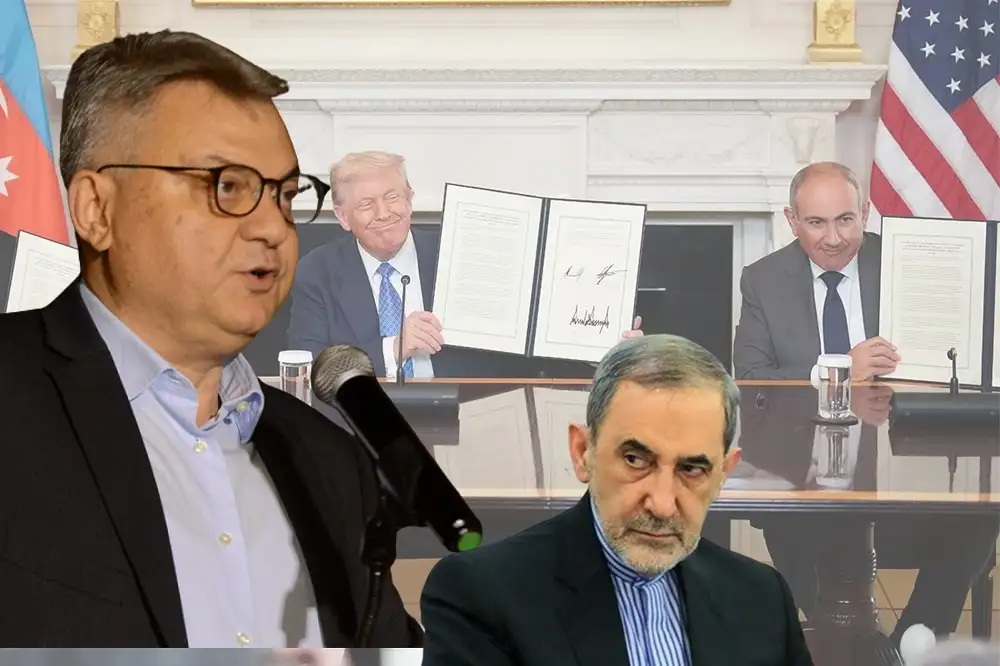
It was also noted that, despite numerous provisions in the EU-RA document supporting Armenia’s “Crossroads of Peace” initiative, which lacks regional consensus, it is highly concerning that the “Trump Path” (TRIPP) project, which is of great importance, is not even mentioned.
“This situation calls into question Armenia’s seriousness in fulfilling its obligations under the TRIPS agreement signed in Washington and the EU’s declared support for this project,” the statement says.
The Azerbaijani side has raised another concern: Article 7 of the draft agreement signed by Azerbaijan and Armenia obliges the parties not to deploy any third-party forces along their shared border, yet the maintenance of the EU monitoring mission appears to contradict this.
“We expect that Armenia and the EU will take concrete steps to eliminate these harmful provisions that do not reflect the current reality. For our part, we will continue to monitor the situation and draw the necessary conclusions closely,” the Azerbaijani Foreign Ministry stressed.