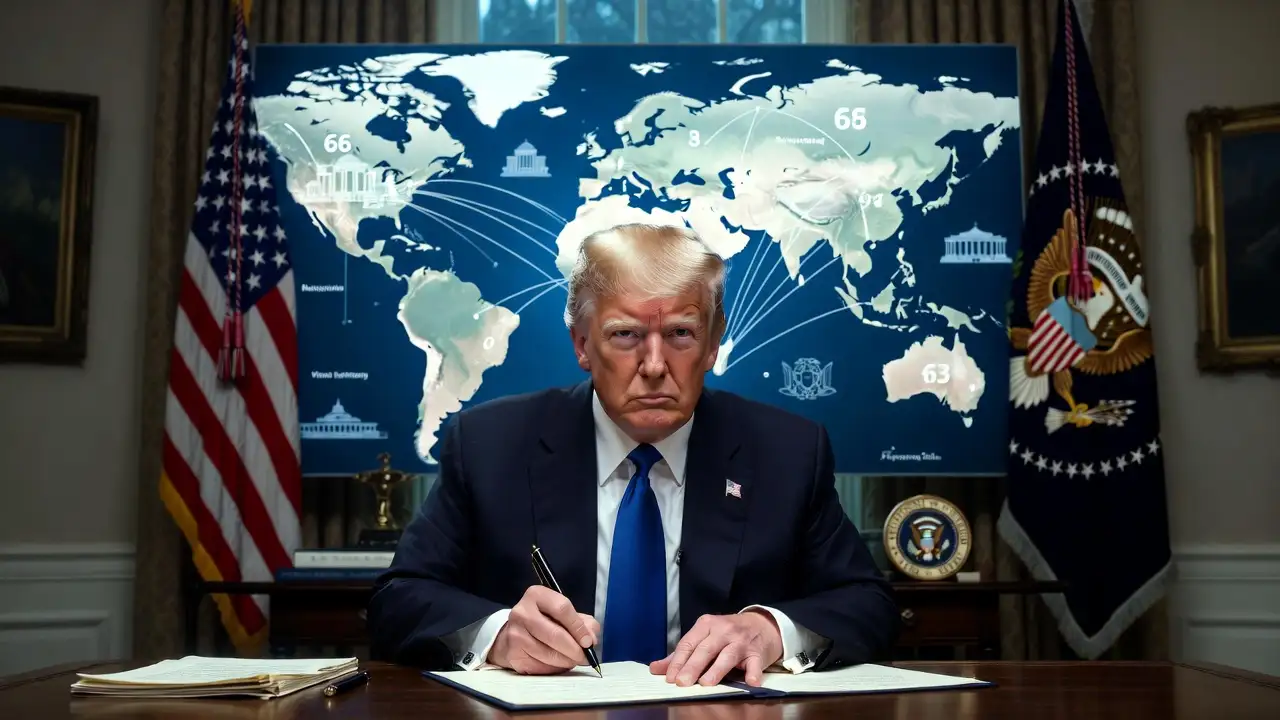



US President Donald Trump has signed the 2026 US defense budget, which includes a record $901 billion in military spending. The White House announced this on Thursday, December 18.
"The National Defense Authorization Act (NDAA) will enable the Department of Defense to implement my 'Peace Through Strength' policy, defend the homeland from domestic and foreign threats, and strengthen the defense industrial base, while ending funding for ineffective and radical programs that undermine the fighting spirit of our country's military," Trump said in a statement published on the White House website.
The US House of Representatives approved the NDAA on December 11, and the Senate passed the bill on December 17. The document, among other things, provides for a 3.8% increase in military pay, purchases of military equipment, and measures to strengthen the US's competitiveness against its main competitors, China and Russia.
More Defense Funding Than Trump Requested
Among other things, the 2026 defense budget includes several provisions aimed at strengthening security in Europe, which contradicts the US National Security Strategy that Trump unveiled earlier this month. Overall, the US defense budget of $901 billion is $8 billion more than the president's request for these needs.
The White House has asked Congress to allocate $892.6 billion for military spending in 2026. The Senate had initially proposed increasing it to $925 billion, while the House of Representatives has been lobbying for the same amount as Trump has suggested. In the 2025 fiscal year, which ended on September 30, the US defense budget amounted to $884 billion.
Military aid to Ukraine and defense of the Baltic states
The document places special emphasis on support for Ukraine. The law allocates $800 million, $400 million each, over the next two years, under the Ukraine Security Assistance Initiative (USAI). These funds are used to purchase weapons for the Ukrainian armed forces through American companies.
Another $175 million is allocated for the defense of the Baltic states of Estonia, Latvia, and Lithuania. In addition, the law limits the US Department of Defense's ability to reduce the number of US troops in Europe below 76,000. The US commander in Europe is prohibited from resigning from his post as NATO's Supreme Allied Commander.
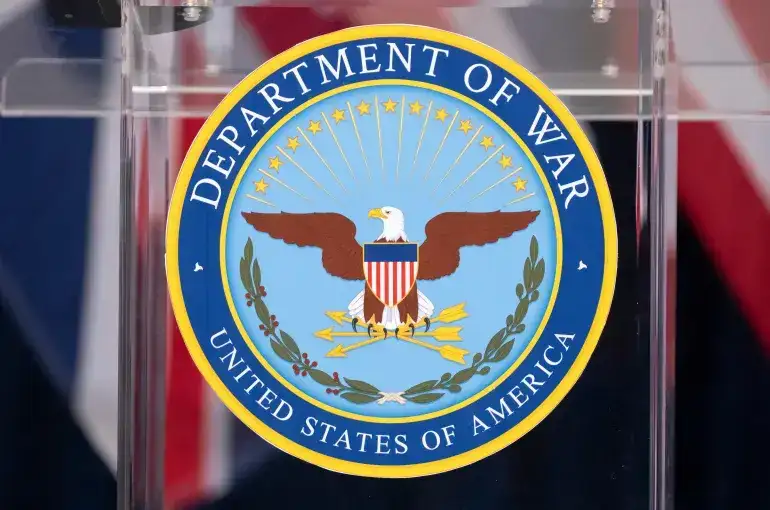
The bill does not mention Trump's proposed renaming of the US Department of Defense to "Department of War." Although the US administration already uses that title, and Defense Secretary Pete Hegseth calls himself "Secretary of War," the change must be formally approved by Congress.