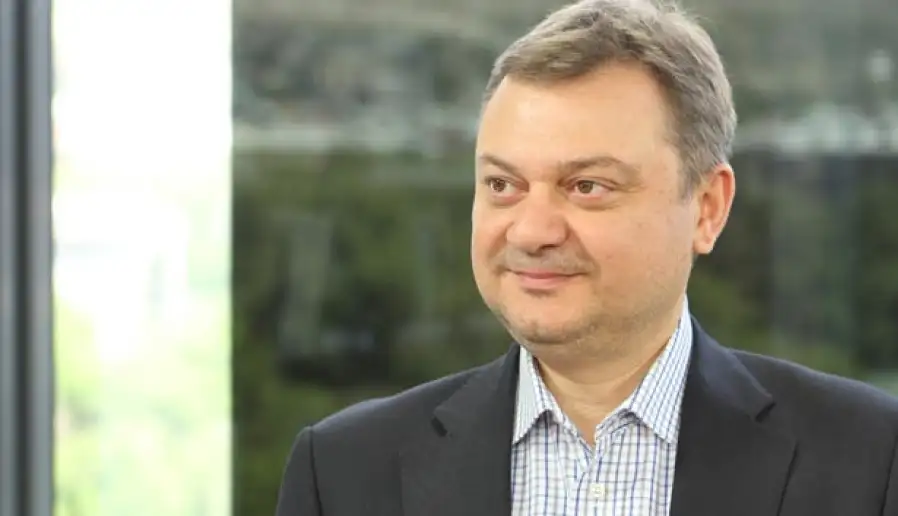

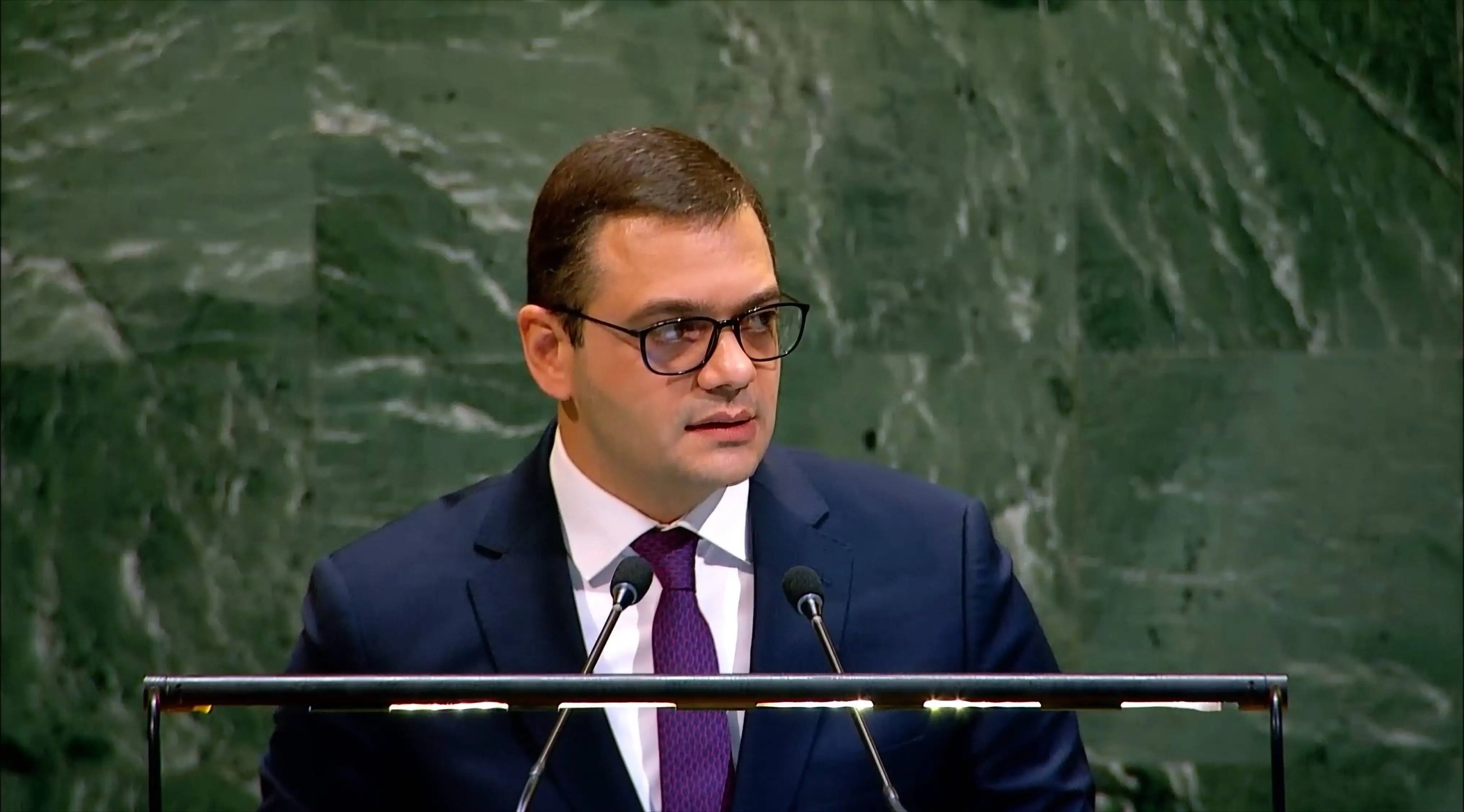


On December 9, the International Day of Commemoration of the Victims of Genocide and the Genocide Convention, in New York, Deputy Foreign Minister of the Republic of Armenia Robert Abisoghomonyan participated and delivered a speech at the high-level meeting dedicated to the tenth anniversary of the International Day of Commemoration and Dignity of the Victims of the Crime of Genocide and for the Prevention of the Crime of Genocide, organized at the initiative of Armenia within the framework of the plenary session of the UN General Assembly.
The full speech of the Deputy Foreign Minister of the Republic of Armenia is below.
"Ten years ago, at the initiative of the Republic of Armenia, the UN General Assembly unanimously adopted a resolution declaring December 9 the International Day of Commemoration and Dignity of the Victims of Genocide and for the Prevention of the Crime of Genocide. Since 2015, this day symbolizes not only the anniversary of the adoption of the Genocide Convention, but also serves as a day of universal tribute to the memory of all victims, survivors, and their descendants of genocides. Those who were murdered whose cases were prosecuted and whose perpetrators were not brought to justice. This day is a collective tribute to the millions of people whose names and histories are documented and preserved, and to those whose stories have never been told, whose burial places are unknown, and whom we have not mourned. This day is a reminder to all of us that our humanity is proven not by words spoken after a tragedy, but by actions taken before it occurs, when it is still possible to prevent it.
The resolution setting out this high-level meeting calls on Member States to "intensify efforts to prevent and punish the crime of genocide." As violent conflicts, wars, and mass atrocities continue to occur at an alarming rate and with frightening severity, we need to examine in depth how the multilateral system, preventive mechanisms, and international courts, States, and other stakeholders can address the growing challenges of restoring peace, protecting the most vulnerable, and ensuring accountability, non-recurrence, and reconciliation. We must ensure that no early warning event goes unanswered.
Armenia firmly believes that genocide prevention efforts must be based on coordinated, institutionalised, and coherent early-warning and early-response mechanisms at the local, regional, and global levels. A strong legal, social, and political framework, and adequate resources, must underpin them.
There is a clear understanding of the risk factors that can lead to genocide, war crimes, and crimes against humanity. There is a common understanding, reflected in the resolutions adopted by this highest body and the Human Rights Council, that gross violations of human rights and international humanitarian law, incitement to violence, and the dissemination of hate speech against protected groups must be systematically addressed. We are all well aware of these risks; the real test is whether we can respond to them promptly.
Next year, during the 61st session of the Human Rights Council, Armenia will reintroduce the biennial resolution on the Prevention of Genocide. Over the years, the resolution has strengthened international consensus on pressing issues such as genocide denial, state responsibility, the importance of remembrance and education, and the roles of human rights mechanisms, civil society, and the international judicial system, including the International Court of Justice and the International Criminal Court.
The resolution has significantly contributed to the much-needed synergy within the UN system, strengthening the link between the Human Rights Council and the Special Adviser on the Prevention of Genocide. The resolution has helped to shape a common language on prevention among UN Member States. Next year, we look forward to the constructive engagement of all Member States and the consensus adoption of a single thematic resolution on the prevention of genocide. I would also like to reaffirm Armenia's strong commitment to ratifying the Genocide Convention.
Before Raphael Lemkin, one of the most brilliant figures of his time, defined the "act of genocide," the nations and peoples who had been subjected to that terrible crime had given it a unique name, one that might have been incomprehensible to others, might have lacked legal certainty, guarantees of punishment, and redress. Still, it encapsulated the legacy of destruction, annihilation, and martyrdom.
Today, 77 years after the "crime of crimes" has been given its name and a clear legal definition, and global and regional institutions, courts, and tribunals dedicated to prevention and accountability have been established, humanity continues to witness a general failure of accountability and an inability to confront those who claim the "right to kill." Lemkin gave the world a definition, and our common challenge is to provide it with meaning through action.
Genocide prevention has been central to Armenia's multilateral agenda since its restoration as a sovereign state. Today, we are fully committed to continuing to develop actions, policies, and partnerships to advance the cause of prevention as a tribute to our past, as a commitment to the victims of ongoing wars and conflicts, and as a promise to a future free from the atrocities of genocide. Genocide prevention is not just a legal obligation; it is a test of our collective conscience. So let's ensure that "never again" becomes not just a recurring slogan of remembrance, but a governing principle. Thank you."