
Politics
Azerbaijan is discussing the possibility of restoring the Baku-Gazakh-Ijevan railway. Minval


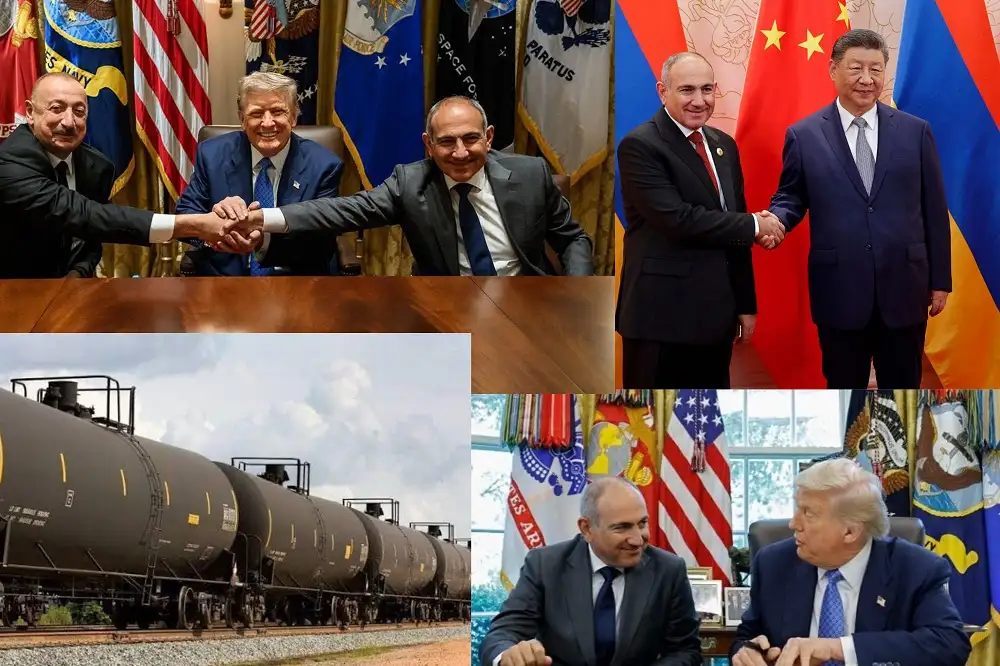
The Azerbaijani Minval, a pro-government news outlet, has published another article sharply criticizing the official Tbilisi. The article is entirely devoted to a recent event in which the Georgian side announced that it would allow Azerbaijani fuel to be transported through its territory to Armenia, but only once and free of charge.
Before Georgia's statement, the Azerbaijani media had already covered the situation and expressed dissatisfaction with Tbilisi's policy. Today, the following article was published in Minval, sharply criticizing the Georgian side and putting it on the spot.
Radar Armenia presents an edited version of the Azerbaijani article.
"The protest, which arose not only in Azerbaijan but also in Georgia itself, forced the Tbilisi authorities to respond and make a gesture that they probably considered politically beneficial. Georgia announced it would provide a one-time transit of Azerbaijani oil products to Armenia "free of charge."
However, such one-off decisions do not address the fundamental question: what is Tbilisi's real position on long-term tariffs and customs duties? And most importantly, whose interests are shaping this policy, which is so unexpected for a country that has relied on Baku's support for decades and has structurally benefited from its transit status?
In the fight for transit monopoly fees, Georgia is suddenly proposing tariffs that make transport unprofitable. At a time when the region is trying to move from the logic of conflict to the logic of connectivity, Tbilisi is demonstrating behavior more like torpedoing regional mutual trust than a rational economic strategy.
This process inevitably forces Baku to seek alternatives, not as a tool of pressure but as a means of ensuring predictability and strategic autonomy.
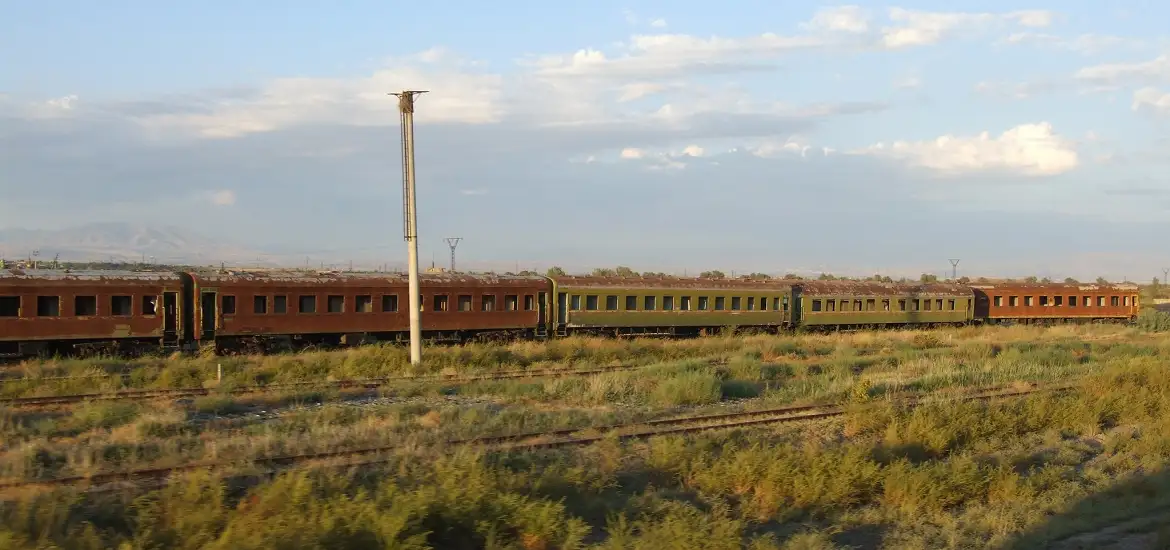
Sources familiar with discussions between Baku and Yerevan told Minval Politika that Azerbaijan has already begun assessing its own capabilities to develop an alternative logistics axis. In Soviet times, there was a railway that connected Baku with Kazakh, then continued to Ijevan. Today, Baku is discussing the possibility of restoring this section, from the current Kazakh border to the alleged border with Armenia.
According to our information, a preliminary assessment has already begun: the technical parameters, cost, and timing of the possible restoration of this section are being studied, which will allow certain transit transportation to be removed from Georgian dependence. Then the cargo can cross the border by road and move deeper into Armenia - a completely viable solution from the point of view of modern logistics.
In parallel, the option of full-fledged road routes is being studied. The route has not yet been finalized; alternative corridors and their economic viability are under discussion. However, the fact that such discussions are taking place speaks volumes. Azerbaijan no longer considers transit through Georgian territory the only or inevitable route.
In the modern South Caucasus, the transit monopoly can no longer serve as an instrument of political pressure; instead, it becomes a vulnerability. Therefore, Tbilisi's attempt to restore leverage through artificial obstacles contradicts both the spirit of the times and Georgia's own long-term interests.
Today, Tbilisi faces a simple choice: either integrate into a new regional model of cooperation or watch as routes develop in which its presence is no longer necessary.
Now it is Tbilisi's turn: is it ready to move beyond short-term gains and embrace a strategic partnership?
It should be noted that the article published yesterday in Radar Armenia provides a comprehensive coverage of recent events and developments on the topic.