
Politics
We firmly reject and exclude any attempt at revenge. Prime Minister of Armenia
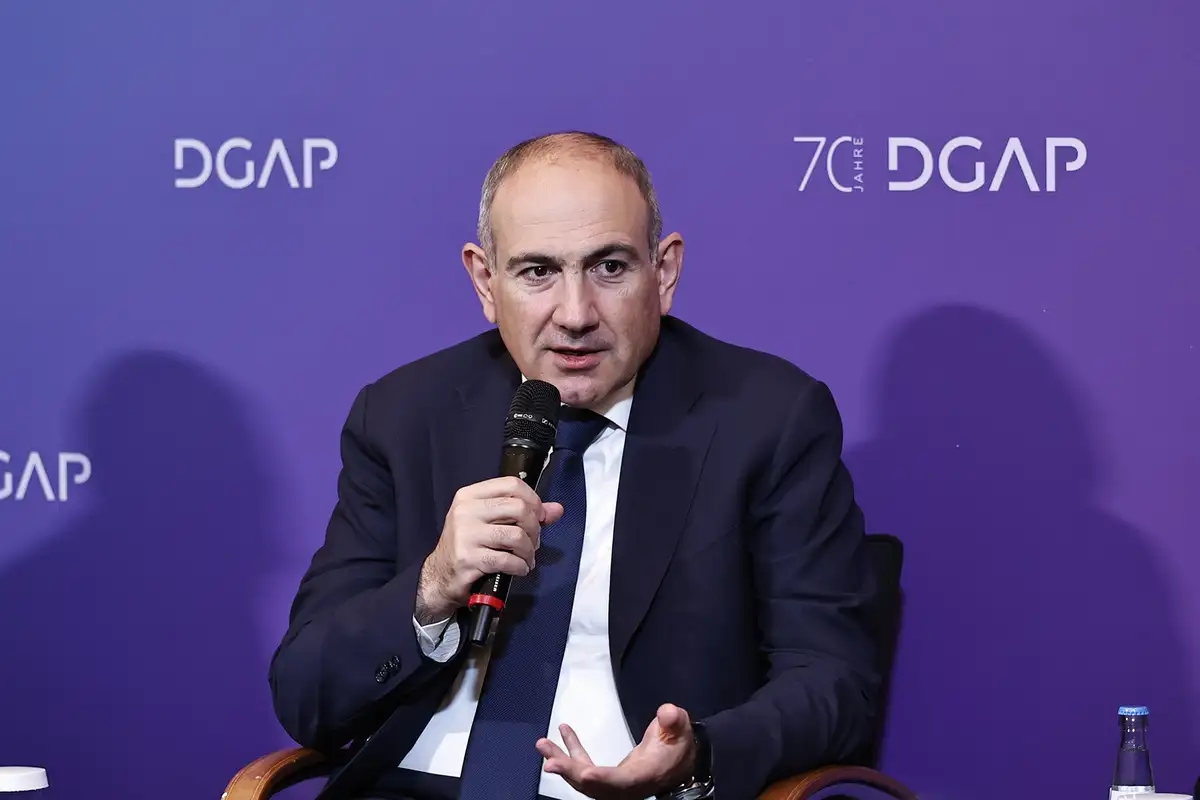


Prime Minister Nikol Pashinyan visited the German Association for Foreign Affairs in Berlin during his official visit to Germany.
The Vice President of the Association, Ambassador Rolf Nickel, thanked the Prime Minister for accepting the invitation and expressed confidence that today's meeting would provide an opportunity to become acquainted with the Prime Minister of Armenia's views and observations on regional processes. A group of political scientists, experts, diplomats, and students participated in the meeting.
Prime Minister Pashinyan made a speech in which, in particular, he noted:
"It is a great honor for me to return to the German Association for Foreign Affairs after two years. I am writing to express my sincere gratitude for welcoming me again.
If we try to compare the titles of the discussions: "Armenia's Perspectives on Peace Institutionalization, Regional Connectivity, and Relations with the EU" with the previous one: "Security and Stability in the South Caucasus," it will reflect the historical developments and prospects in our region, the South Caucasus.
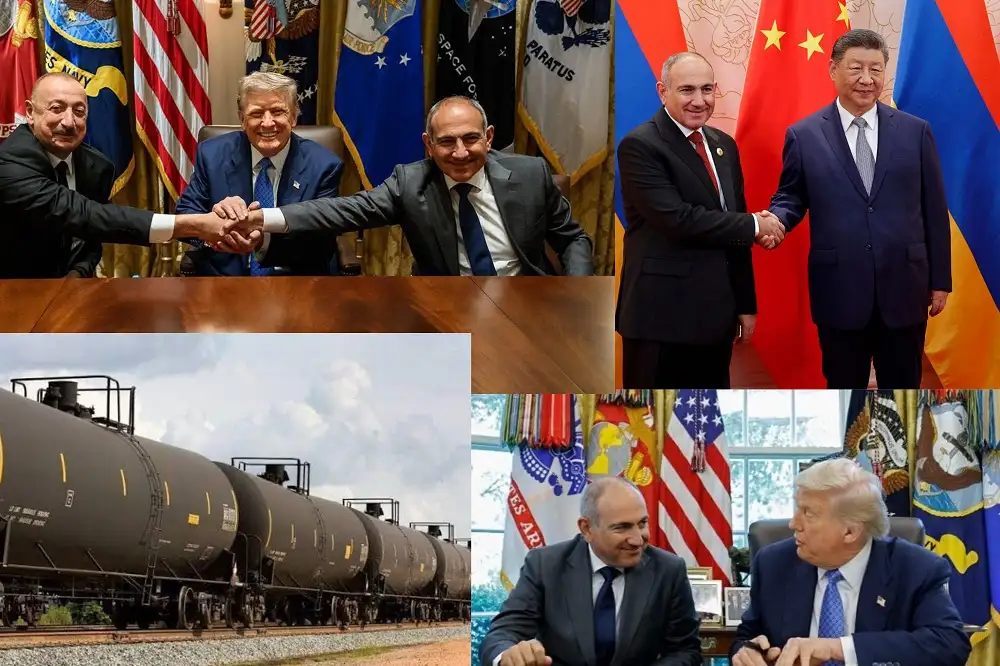
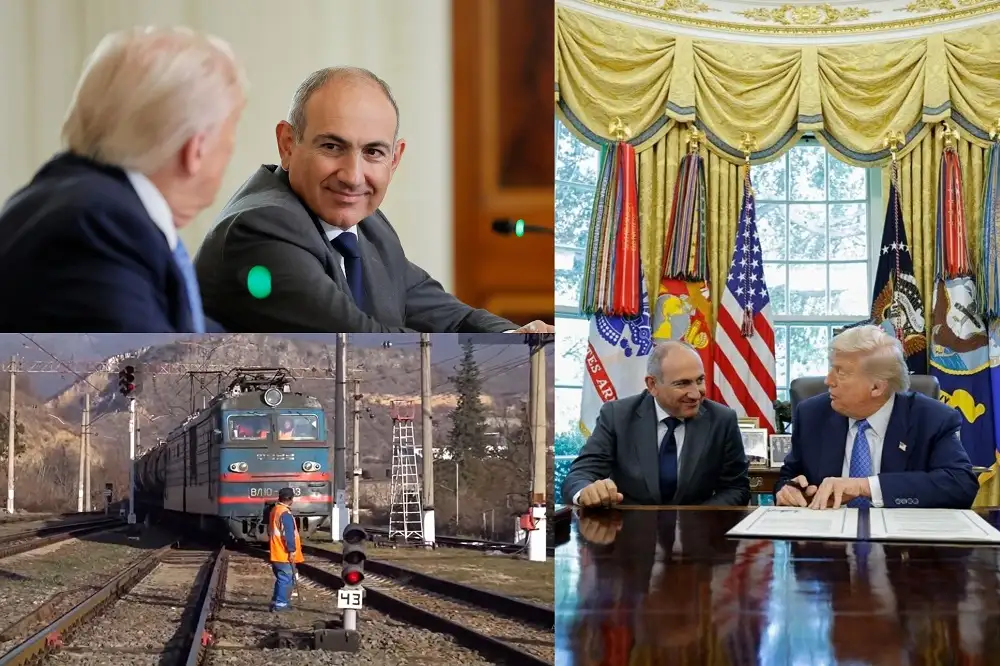
Today, I can confidently announce that peace was established between Armenia and Azerbaijan on August 8 in Washington, D.C., when the President of Azerbaijan and I signed a joint declaration, which was also attended by the President of the United States, Donald Trump.
According to the declaration, Armenia and Azerbaijan emphasized the need to develop a path for a bright future that is not bound by past conflicts and is consistent with the Charter of the United Nations and the 1991 Alma-Ata Declaration.
We committed to paving the way for the closure of the chapter of hostility between our two countries. We resolutely reject and exclude any attempt at retaliation, now and in the future.
The agreed text of the Agreement "On the Establishment of Peace and Interstate Relations between Armenia and Azerbaijan" was initialed by the Foreign Ministers of Armenia and Azerbaijan in the presence of President Trump, President Aliyev, and me.
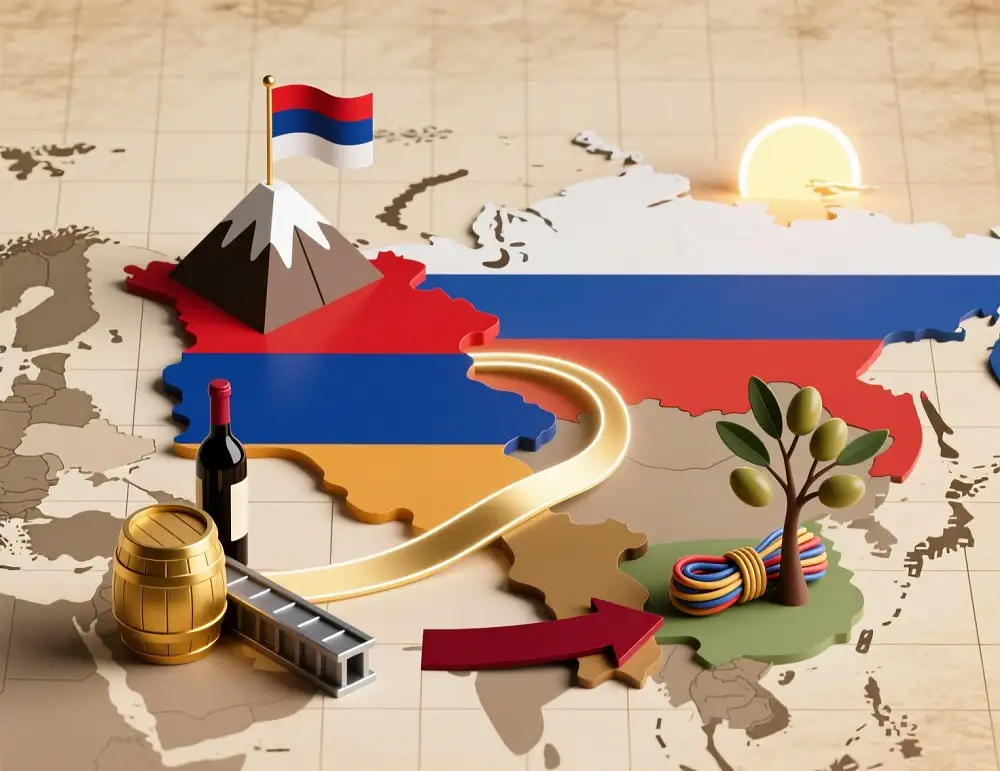
One of the most important advances made in Washington is the agreement to open communications between the two countries for domestic, bilateral, and international transport, based on respect for the sovereignty, territorial integrity, and jurisdiction of states. These efforts should include unhindered connectivity between central Azerbaijan and Nakhchivan via Armenia, bringing mutual benefits to Armenia's international and domestic communications.
We are currently conducting intensive negotiations with our American partners on the general terms for implementing the "Trump Route for International Peace and Prosperity" (TRIPP Route) communication project.
TRIPP Company, an Armenian-American joint venture, will be registered in Armenia and will be granted the right to develop the necessary infrastructure for railways, roads, oil and gas pipelines, and fiber-optic cables. We will move to the actual implementation and construction phase next year.
The implementation of this project, which is entirely consistent with our Government's "Crossroads of Peace" initiative, will create additional connections and interdependencies in the region, becoming another important factor for peace.
In fact, the "TRIPP route" project, along with the opening of communication between Armenia and Turkey, has the potential to become an essential component of the Middle Corridor, ensuring unhindered connectivity between Europe, the South Caucasus, and Central Asia.
The political agreement to gradually reopen communication between Armenia and Azerbaijan is already becoming a reality.
In October, President Aliyev announced that Azerbaijan is lifting restrictions on the transit of goods through its territory to Armenia. This is a very significant and positive development. What seemed impossible just a few months ago is now a reality: grain from Kazakhstan to Armenia has been transported by rail via the territory of Azerbaijan and Georgia. For our part, as we have publicly stated, Armenia is ready, both politically and technically, to enable the transit of goods between Turkey and Azerbaijan through its territory.
Considering all this, I am confident that by daily caring for the established peace, remaining true to the spirit of the Washington Declaration, and refraining from discourse that undermines the process, the governments of Armenia and Azerbaijan will be able to institutionalize a lasting peace between the two countries.
Of course, speaking about our region, I must also inform this esteemed audience about the current situation between Armenia and Turkey.
Since our last meeting at the German Association for Foreign Affairs, we have seen an increase in contacts between Armenia and Turkey. These contacts occur at nearly all levels: between President Erdogan and me; between our Foreign Ministers and Special Representatives; between the two Foreign Ministries; and between the relevant line ministries.
In practice, we maintain very active negotiations and relations with official Ankara, even in the absence of de jure diplomatic relations. I hope Turkey will make the long-awaited political decision to open its border with Armenia and establish diplomatic relations.
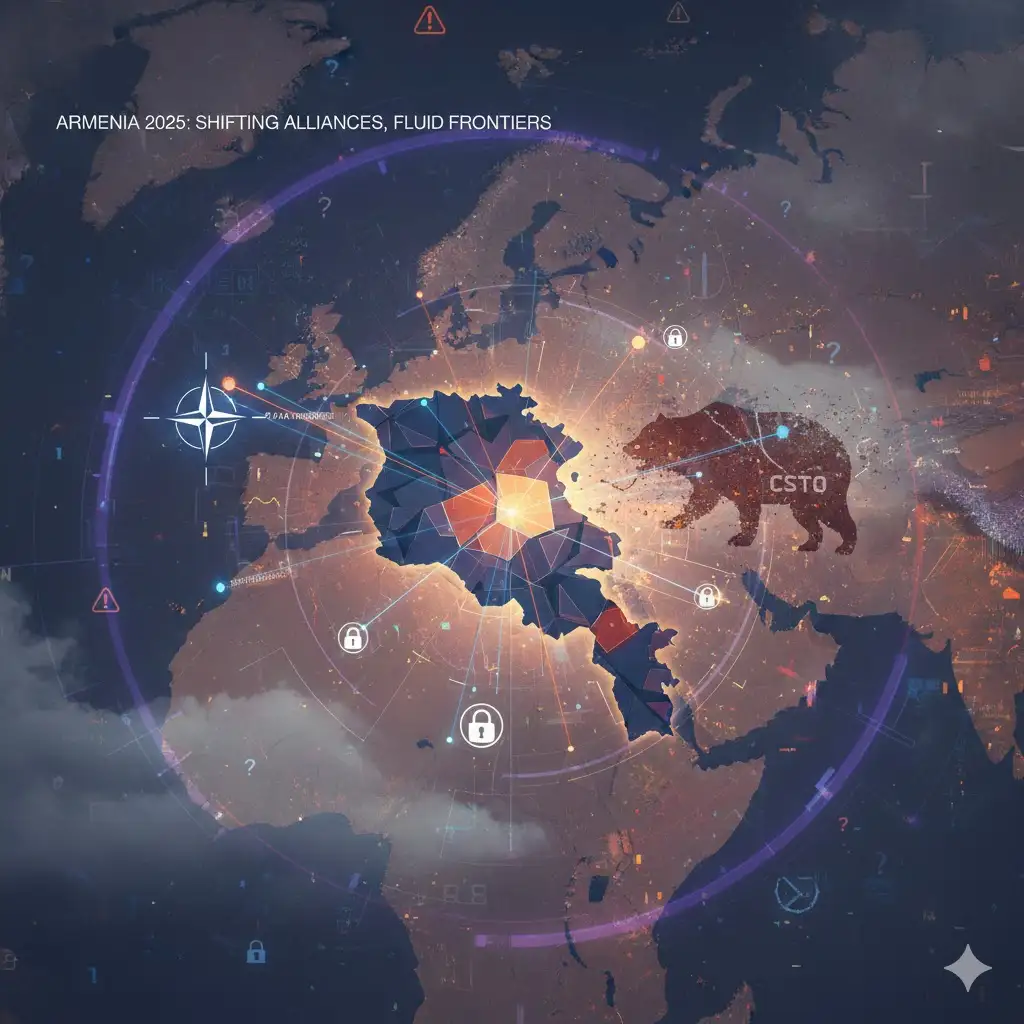
The normalization of Armenia-Turkey relations, peace between Armenia and Azerbaijan, the "TRIPP route" project, and good-neighborly ties between Armenia, Azerbaijan, Georgia, and Iran, along with constructive dialogue with Russia, can make the South Caucasus one of the most attractive transit corridors alongside the North-South and East-West routes. And we are working diligently to realize this historic opportunity.
In March of this year, the National Assembly of Armenia adopted the law "On the launch of the process of Armenia's accession to the European Union". Many are asking when Armenia will join the European Union and how realistic that goal is. The Law "On the Launch of the Process of Armenia's Membership in the European Union" is, first of all, an incentive for us to consistently implement democratic reforms. Our goal is to comply with EU standards in institutional and substantive terms, since without such compliance, EU membership is impossible.
When Armenia objectively complies with these European standards, two paths will open before us: either we will be accepted as an EU member state, or we will not. Of course, our preferred scenario is the first. Even if membership does not take place, we will have reached a significant milestone. Armenia will be a country that meets the most advanced modern standards.
Our aspiration to comply with European Union standards is not determined by geopolitics, but by democratic choice. Since the peaceful, non-violent Velvet Revolution of 2018, Armenia has been committed, as a strategic priority, to democracy, the rule of law, human rights, and an independent judiciary.
Along this path, just a week ago, Armenia and the European Union adopted the "Strategic Agenda for the Armenia-EU Partnership", which complements the already existing Comprehensive and Enhanced Partnership Agreement (CEPA). It defines the short- and long-term goals of our cooperation, serving as a unique roadmap for deeper coordination and integration of Armenia at various levels.
We are currently exploring the possibilities of sectoral integration across the digital, telecommunications, energy, and communications sectors.
We pay special attention to the economic component of my visit to Germany and use the opportunity to strengthen dialogue between representatives of the Armenian and German business communities. To support such contacts, our Government must promote the mobility of our businesspeople. And I am pleased to note that we have successfully launched a dialogue with the European Union on visa liberalization. This is an essential step towards improving mobility, activating people-to-people contacts, and developing intercultural ties. We recently received the Visa Liberalization Action Plan, which outlines the main criteria and commitments of the Government of Armenia. If successfully implemented, a visa liberalization regime will be established, contributing to active exchanges between Armenia and the European Union.
It isn't easy to fully address Armenia-EU relations in this opening speech, as they are comprehensive today and span nearly all areas.
The 8th Summit of the European Political Community and the Armenia-EU Summit, which will take place in Yerevan next May, will provide a new opportunity both to assess the progress of our relations and to set more ambitious goals for the coming years.
Let me conclude by emphasizing the importance of strengthening relations with EU Member States, which offer additional opportunities for learning and bilateral cooperation.
Of course, Germany, along with other like-minded partners, plays a central role for Armenia, and the adoption of a strategic agenda between our countries elevates our relations to a new level, creating new conditions for our strategic partnership. Thank you."
The Prime Minister then participated in a panel discussion titled "Armenia's Vision for Institutionalizing Peace, Regional Connectivity, and EU Integration."