
Politics
The whole opening of the border between Armenia and Turkey is the next important step.
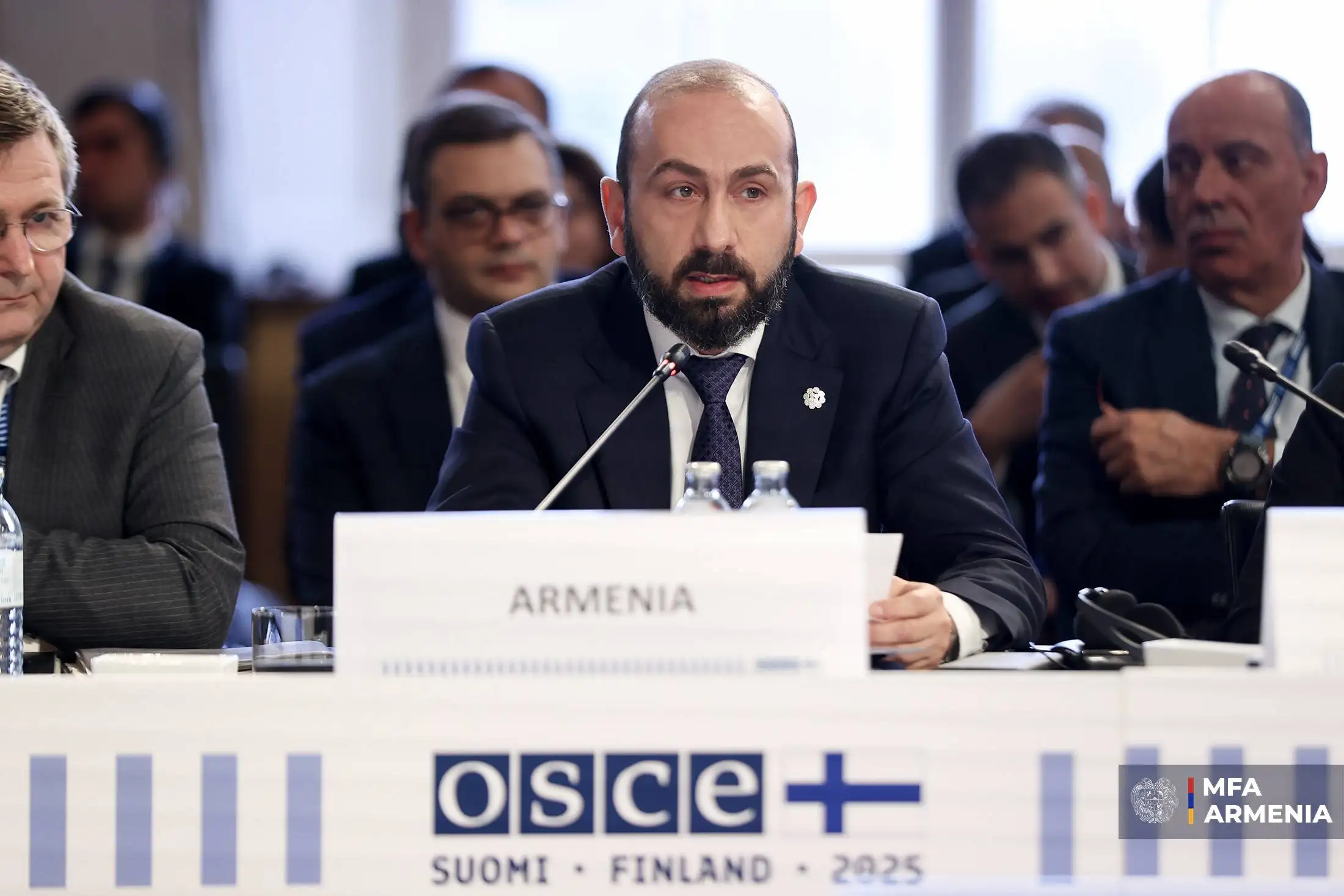


On December 4, RA Foreign Minister Ararat Mirzoyan participated in the 32nd OSCE Ministerial Council meeting in Vienna. The OSCE Chairperson-in-Office, Finnish Foreign Minister Elina Valtonen, welcomed the participants at the official opening ceremony.
Minister Mirzoyan held contacts with partners from the participating states. On the same day, RA Foreign Minister Mirzoyan delivered a speech at the 32nd OSCE Ministerial Council. The full speech is presented below.
"Let me express our gratitude to the Finnish Chairmanship for organizing this meeting of the Ministerial Council. I would also like to thank our Austrian colleagues for their traditional kind hospitality.
Fifty years ago, amid ideological opposition, mutual distrust, misunderstandings, and geopolitical disagreements, the Helsinki Final Act united states around common principles, reducing the risk of a new world war and conflict.
Of course, our world has changed significantly since the signing of the Helsinki Final Act. However, despite all the difficulties, the fundamental principles enshrined in the Final Act remain aimed at ensuring a workable and viable international framework. Today, amid global geopolitical changes, the principles of sovereign equality of States, respect for the territorial integrity of States, the inviolability of internationally recognized borders, and the peaceful settlement of disputes are more relevant than ever.
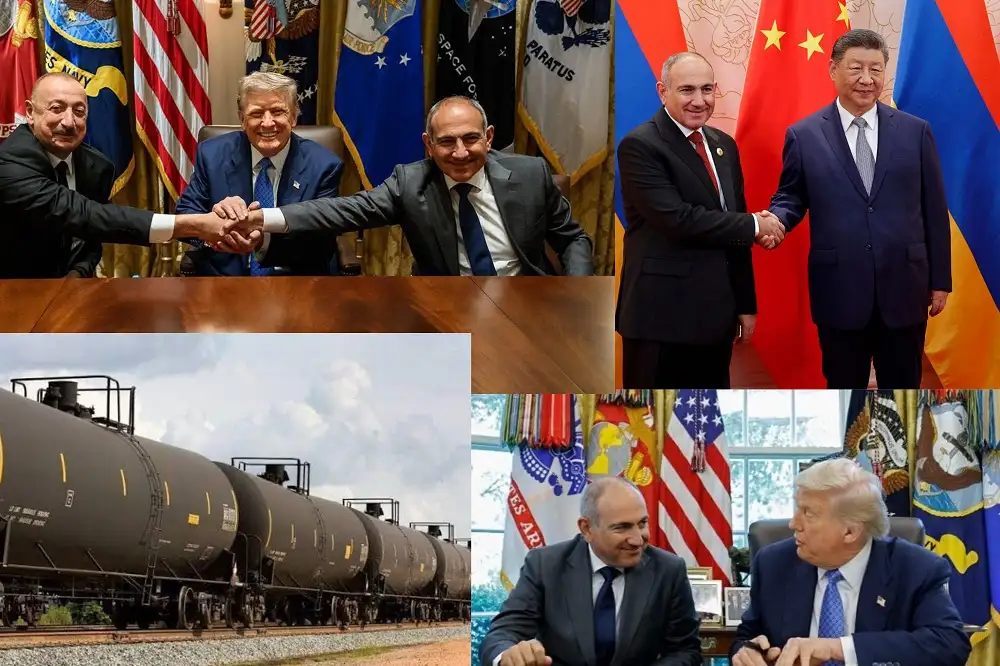
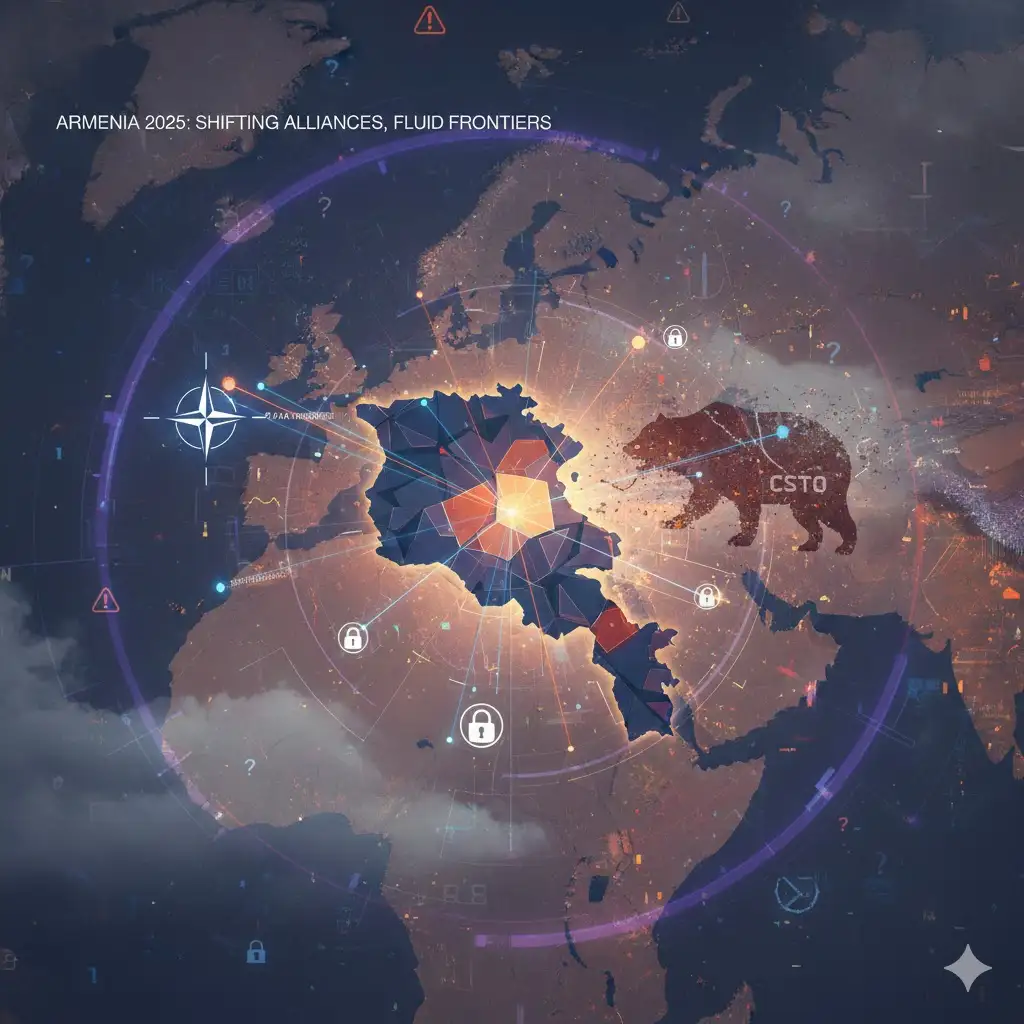
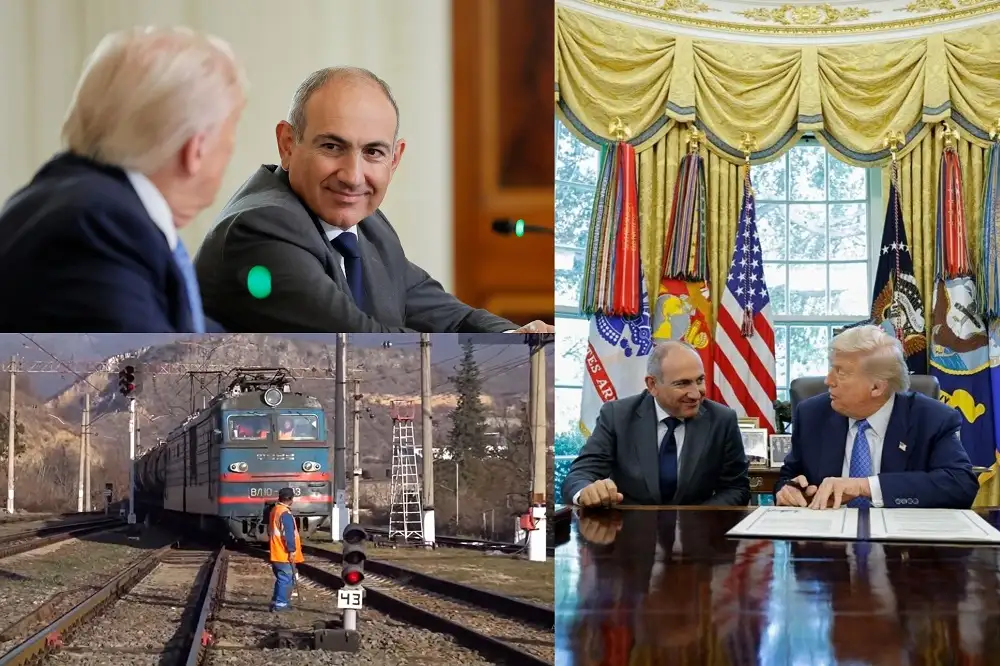
Since my last speech at the 31st meeting of the Ministerial Council, significant changes have taken place in our region. Most significantly, on August 8 in Washington, the leaders of Armenia, Azerbaijan, and the United States, with the latter as a witness, signed a Declaration establishing peace in one of the most unstable and war-torn regions of the OSCE area of responsibility. Armenia and Azerbaijan have also initialed the Agreement on the Establishment of Peace and Interstate Relations between the Republic of Armenia and the Republic of Azerbaijan. During the same Washington Peace Summit, we agreed to jointly address the OSCE Chairman-in-Office with a proposal to dissolve the OSCE Minsk Process structures, which officially marked the end of the conflict.
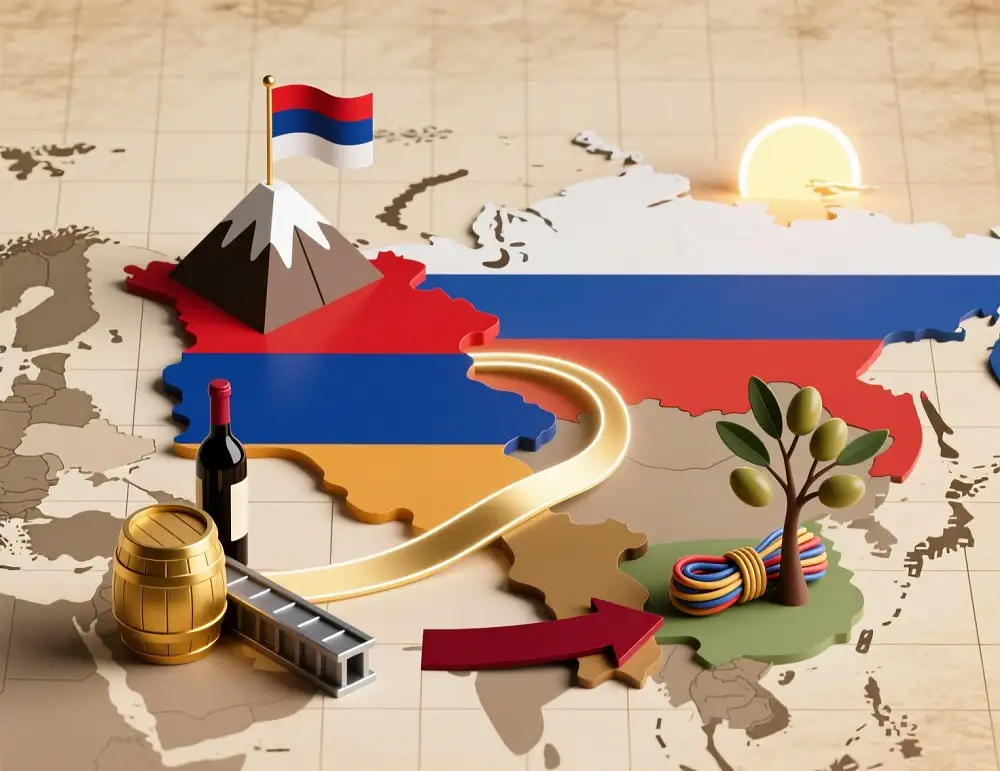
The Washington meeting also opened a real window of opportunity to unblock communications between Armenia and Azerbaijan, ensuring intra-state, bilateral, and international transport connectivity while respecting sovereignty, territorial integrity, and jurisdiction. Enhanced connectivity, including the implementation of the TRIP route, aims to transform the South Caucasus into an efficient and secure transit and logistics hub, connecting Europe with Central Asia, thereby contributing not only to economic prosperity but also to the broader regional security architecture.
In this context, we welcome Azerbaijan's recent announcement to lift transit restrictions on Armenia. As an immediate and practical result, the first grain cargoes have already reached Armenia via the Azerbaijan-Georgia-Armenia railway route. In turn, Armenia has announced its readiness to ensure the transit of trucks from Turkey to Azerbaijan and from Azerbaijan to Turkey.
The opening of the border between Armenia and Turkey in the chain I have presented is a vital link that will complete the process of transforming the region. We are actively continuing the dialogue aimed at the full normalization of bilateral relations with Turkey. In this regard, I would like to inform you that just a few days ago, representatives of the relevant institutions of the two countries held the second round of technical discussions aimed at the rehabilitation and operation of the Gyumri-Kars railway.
Your Excellencies, today democracies face a range of rapidly changing challenges that test their resilience, both from within and without. The emerging threats, including disinformation, cyberattacks, external interference and manipulation, as well as the instrumentalization of vulnerabilities, aim not only to weaken state institutions but also to undermine democratic ways of life, eroding public trust and polarizing societies.
As Armenia prepares for next year's parliamentary elections, we face a growing wave of such challenges. However, it is clear that we remain resolutely committed to conducting the electoral process in accordance with the highest democratic standards, in line with our convictions, the expectations of our citizens, and our OSCE commitments.
Dear colleagues, in conclusion, I would like to thank Finland again for its effective presidency and wish Switzerland success in its upcoming presidency."