
Politics
Joint press statement on the results of the 6th meeting of the Armenia-EU Partnership Council
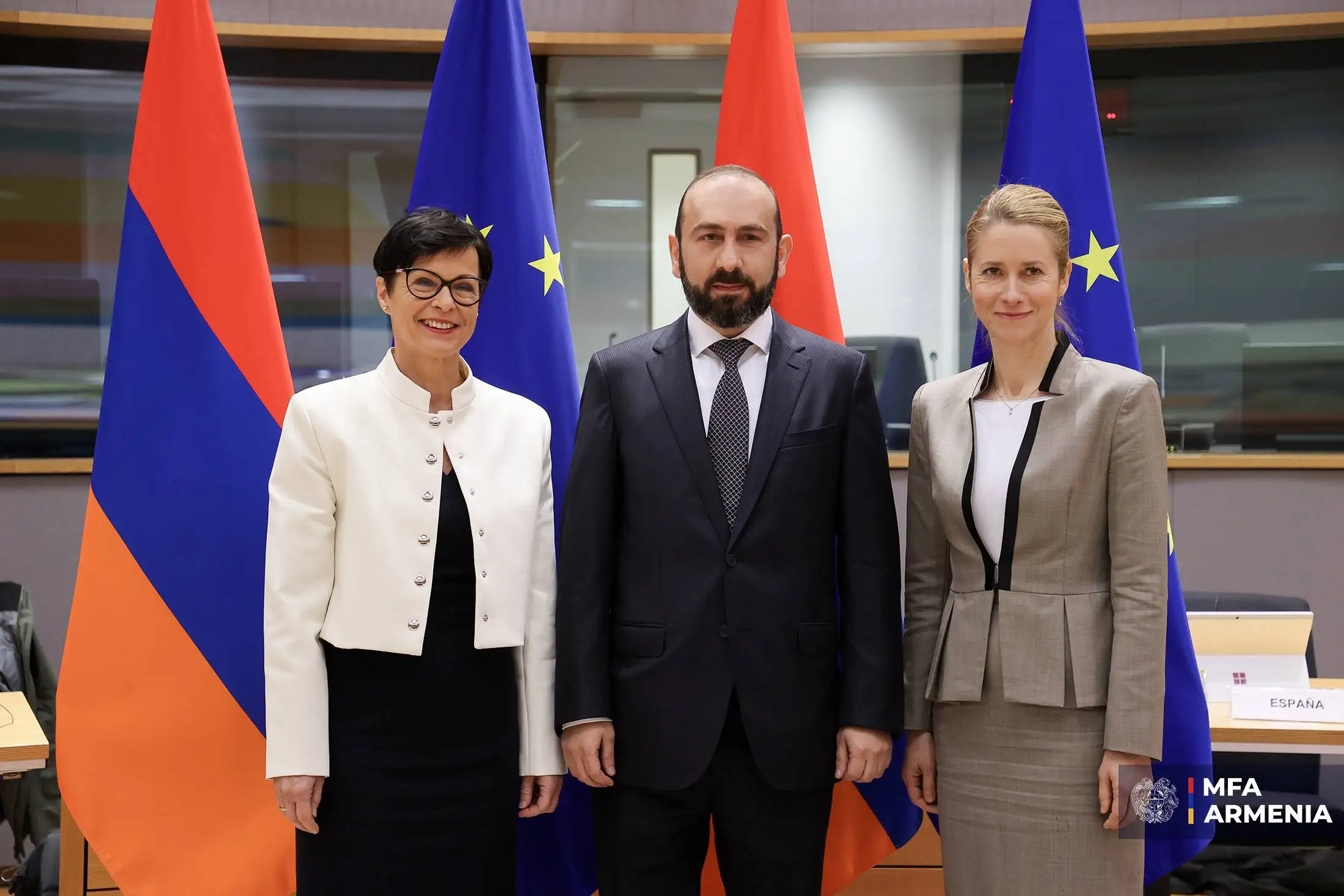


Following the 6th meeting of the Armenia-EU Partnership Council, a joint statement was adopted.
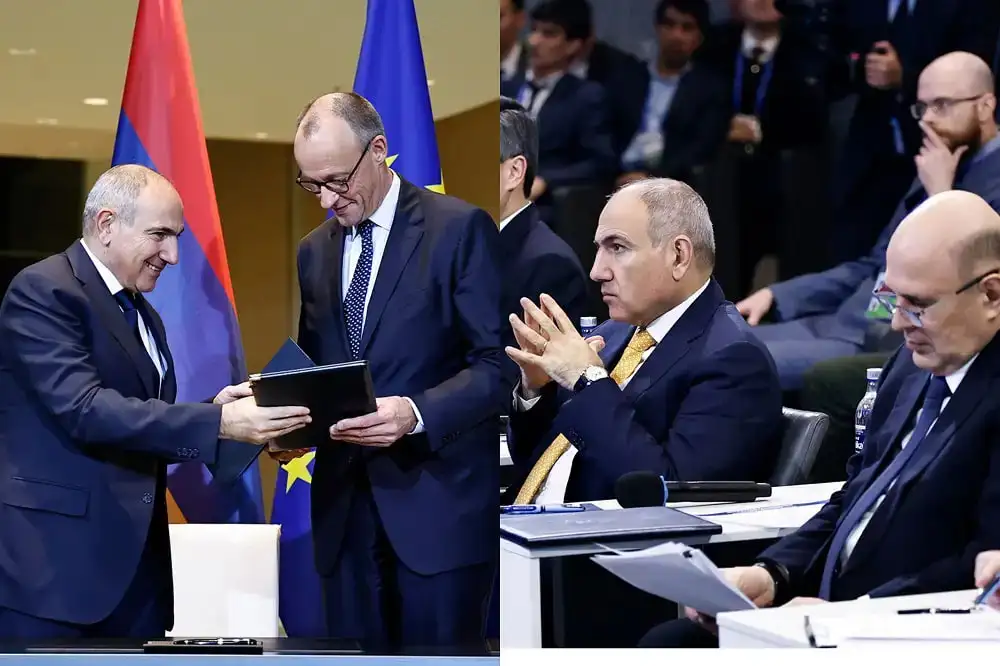
The Partnership Council highlighted the significant moment in Armenia-EU relations, reaffirmed shared values , and adopted a new “Strategic Agenda for the Armenia-EU Partnership”, setting ambitious priorities for cooperation and marking an essential stage in the deepening and development of bilateral relations.
Both sides noted the importance of the Armenia-EU Summit to be held in May 2026 as another achievement in further strengthening the bilateral partnership.
The EU welcomed the historic milestone reached between Armenia and Azerbaijan at the Peace Summit in Washington in August, including the initialling of the Agreement on Peace and Interstate Relations between the Republic of Armenia and the Republic of Azerbaijan. The EU reaffirmed its strong support for the further consolidation and institutionalization of peace between Armenia and Azerbaijan. Both sides stressed the humanitarian component of the reconciliation efforts, and Armenia expressed its gratitude to the EU for its increased support for demining.
Armenia welcomed the EU’s readiness to promote regional connectivity. Both sides agreed to deepen cooperation through the EU’s Global Gateway initiative and the inter-regional connectivity agenda, in line with Armenia’s Crossroads of Peace initiative.
The Republic of Armenia and the EU welcomed the ratification of the Agreement between the Republic of Armenia and the European Union on the framework for the participation of the Republic of Armenia in European Union crisis management operations, which opens up new opportunities for deeper and more active cooperation in the field of international crisis management missions.
The sides welcomed the progress in the visa liberalisation dialogue. They also welcomed the formal submission of the Visa Liberalisation Action Plan on 5 November 2025 as a significant milestone towards ensuring visa-free travel.
Armenia and the EU reaffirmed their commitment to human rights, the rule of law, and democratic values. The EU reiterates its strong support for Armenia’s comprehensive political and economic reform agenda, as well as for Armenia’s efforts to counter hybrid threats.
The Partnership Council reviewed the implementation of the Armenia-EU Comprehensive and Enhanced Partnership Agreement (CEPA), noting Armenia’s continued commitment and progress, and encouraging consistent implementation of the ambitious reform agenda. The newly adopted Strategic Agenda will serve as a strong impetus to unleash the full potential of the CEPA.
Armenia and the EU welcomed the progress achieved through the €270 million Resilience and Growth Programme and discussed further investment opportunities under the Global Gateway Initiative. They also welcomed the launch of a high-level policy dialogue.
The two sides also discussed ways to enhance investment in key strategic areas of the partnership, including inclusive regional connectivity, economic diversification and trade, digital and green transitions, energy security, and climate cooperation. The sides agreed to work together to significantly increase and facilitate/facilitate the diversification of Armenia’s export mix, including the export of new products to the EU market, and to deepen cooperation between the Energy Community and Armenia.
The EU welcomed the adoption by the Armenian Parliament of the Law on the Launch of the Process of Accession of the Republic of Armenia to the European Union on 26 March 2025, underlining that this step demonstrates Armenia’s commitment to common European values and its aspiration to deepen integration with the Union.
The European Union reaffirmed its principled position on Russia’s war of aggression against Ukraine. Both sides welcomed the ongoing efforts to end the hostilities in Ukraine and achieve a just and lasting peace.
The Partnership Council meeting was chaired by the Minister of Foreign Affairs of the Republic of Armenia, Ararat Mirzoyan. The EU delegation was led by the EU High Representative for the European Union, Kaja Kallas, and included the EU Commissioner for Enlargement, Marta Kos.