
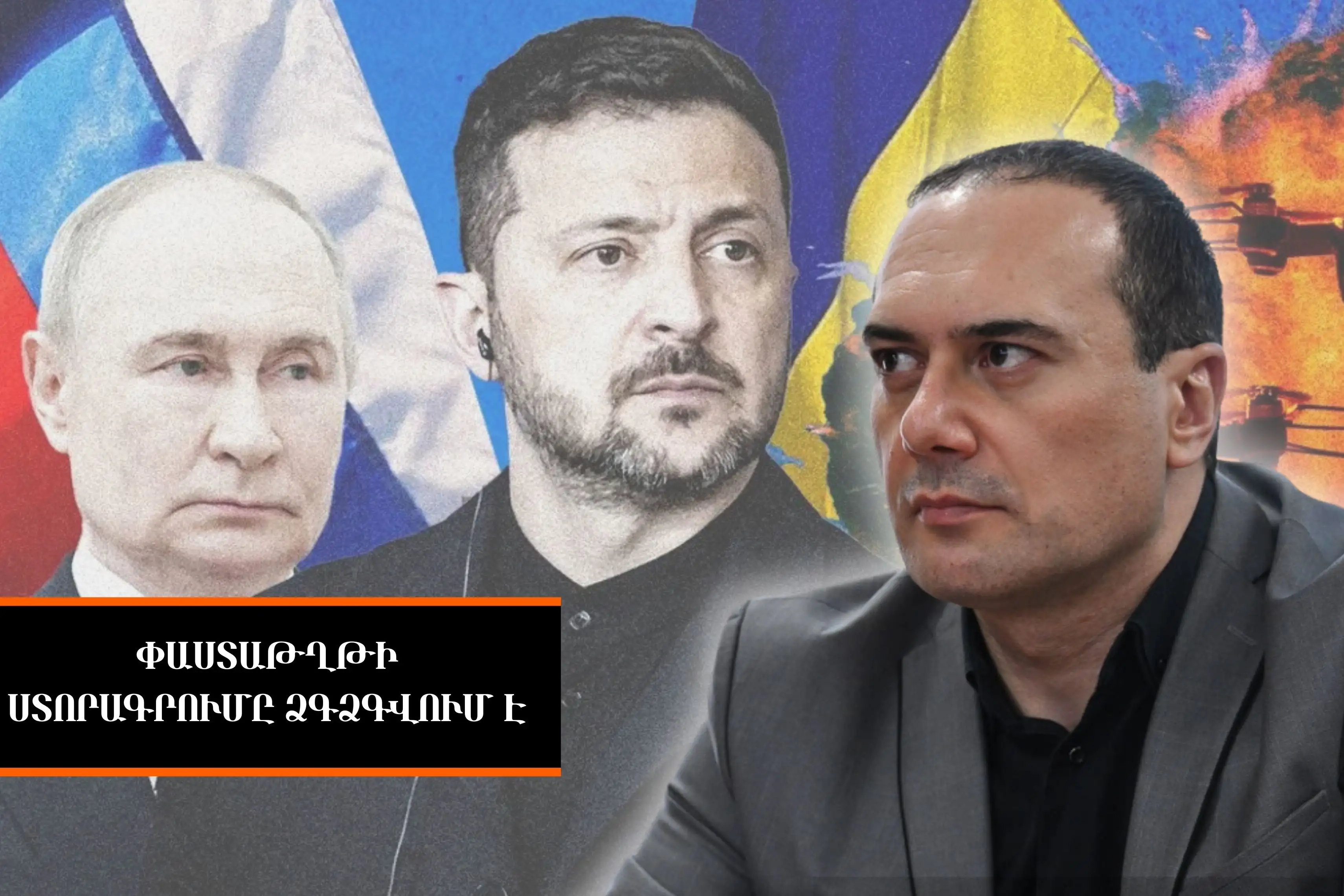


On November 21, US President Donald Trump presented a new 28-point plan to end the Russian-Ukrainian war.
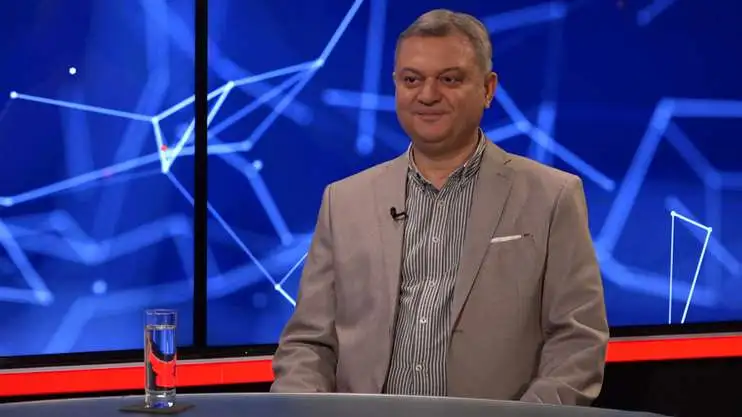
"Although the peace plan presented by the US has been positively received in some respects by the main actors - Russia, Ukraine, and EU countries, this positive attitude is mostly a diplomatic response," political scientist Armen Petrosyan told Radar Armenia, adding that in essence, the US is a unique country that is making targeted efforts to resolve this conflict.
According to the political scientist, although the plan is not rejected, it is not unequivocally accepted either. It is evident that Ukraine and EU countries have certain reservations regarding specific points, and the negotiations held in Geneva at the end of last week indicate that the plan is neither unequivocally accepted nor rejected at the diplomatic level.
"To exclude a sharp reaction from the US, there is talk of negotiations as a document that serves as the final basis. "It is difficult to predict whether it will be signed or not," the political scientist emphasized.
Referring to the statement of US Secretary of State Marco Rubio, who said "additional work" is still needed to complete the negotiations successfully, Petrosyan emphasized that the draft is about ending the war, but not so balanced, unambiguous, or complete that the parties would immediately and unconditionally accept it.
"This may be the main axis around or based on which a basic agreement on the cessation of the war may be prepared, taking into account numerous issues that remain open," he said, emphasizing that all this is a reason for the signing of the document to be delayed and negotiations to take place to finalize it.