
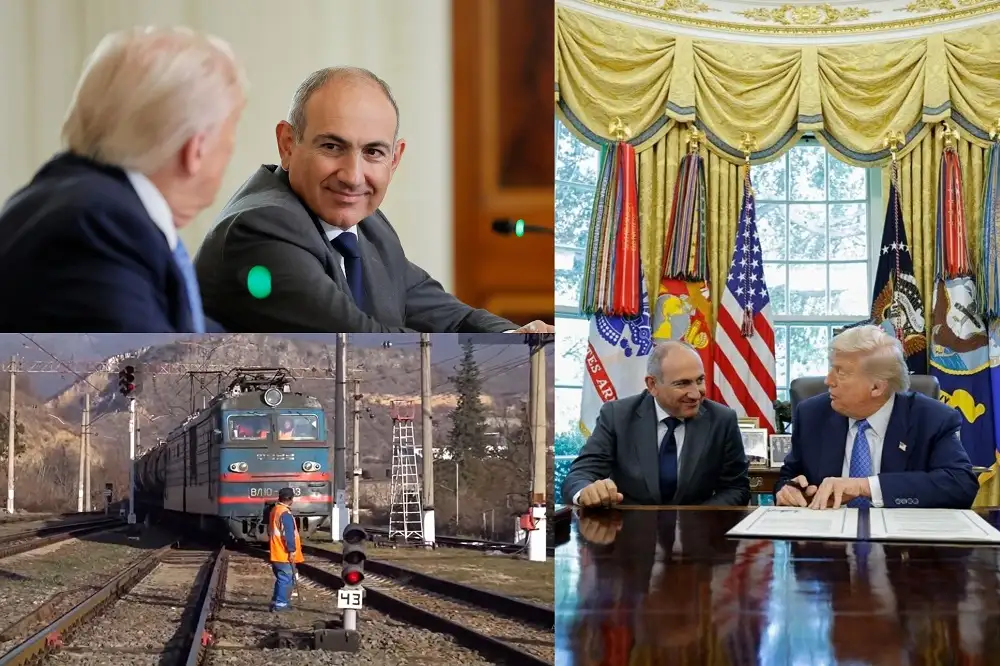


The first meeting of the Armenian-American intergovernmental working group, held on December 17, can be considered not only a logical continuation of the agreements reached in Washington on August 8, but also a clear signal of their entry into the practical phase.
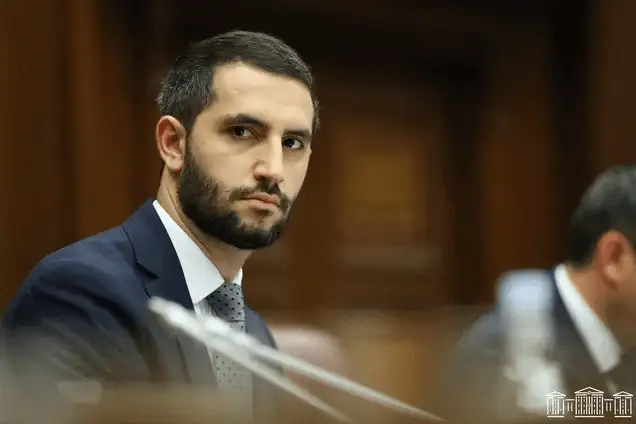
The opening remarks of RA Deputy Foreign Minister Vahan Kostanyan and US Deputy Assistant Secretary of State Sonata Coulter, which emphasized the "actively developing RA-US strategic partnership," underscored that the parties are moving beyond political statements toward concrete implementation of the project.
At the core of Armenian-American discussions are three key areas: capacity development for the "Crossroads of Peace" initiative; institutional development in high technologies (artificial intelligence and semiconductors); and energy security. This agenda itself shows that we are not talking about a single program, but about a package of interconnected infrastructural, technological, and political transformations.
TRIPP, wider than the road
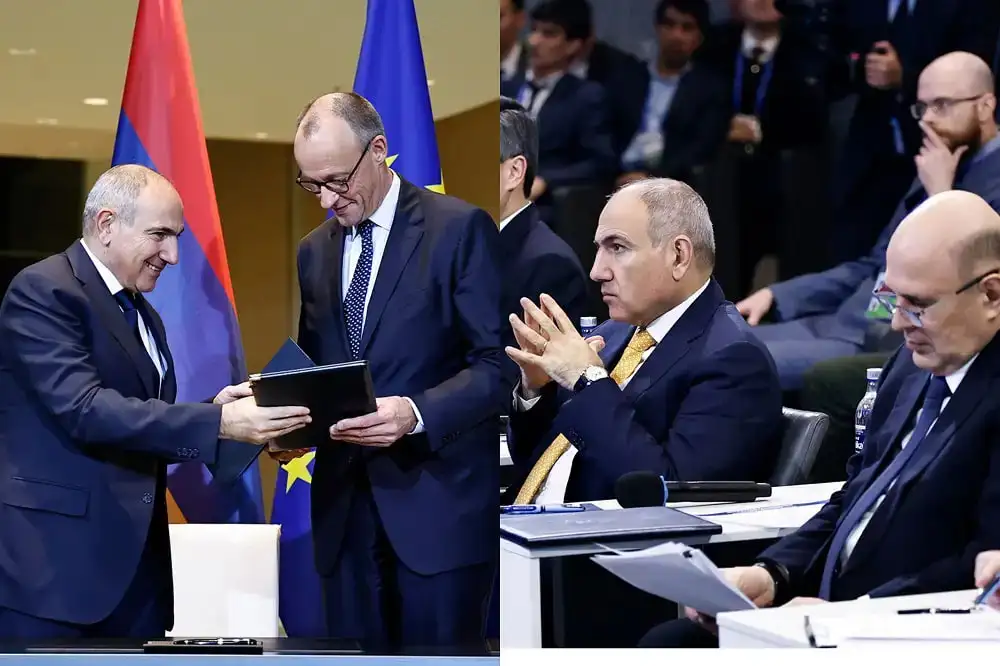
Prime Minister Nikol Pashinyan, during his official visit to Germany last week, presented the rationale for implementing TRIPP for the first time, more openly and directly, at the German Association for Foreign Affairs in Berlin. According to the Prime Minister, one of the key advances achieved in Washington is the agreement to open communications "based on respect for the sovereignty, territorial integrity and jurisdiction of states." This formulation is principled: it counterbalances the coercive "corridor" approaches circulating in the region and presents Armenia as a sovereign transit hub.
Armenian-American joint bet:
The practical axis of the TRIPP project is the creation of an Armenian-American joint venture, "TRIPP Company," to be registered in Armenia and granted the right to develop railway, automotive, oil and gas, and fiber-optic infrastructure. Pashinyan's statement that "next year they will move to the actual implementation and construction phase" clearly shows that from the beginning of 2026, the project will enter the phase of tangible, measurable actions. This is already a political confirmation of the roadmap, not a prospective theoretical intention.
Possible US capital investments within the framework of TRIPP have not only economic, but also strategic significance for Armenia. First, they are a factor in long-term economic stability, ensuring jobs, modernizing infrastructure, and attracting regional transit flows. But the political component is more critical: Armenia is transforming from a "transition zone" of the South Caucasus, that is, from the status of a mainly object, to a connecting node, that is, a factor, where peace is no longer just a diplomatic slogan, but a necessity based on economic interests.
Infrastructure as a language of security:
This logic is also reinforced by the US's involvement in Armenia's high-tech sector. The programs to be implemented in Armenia with tangible American support, ranging from artificial intelligence research initiatives to discussions on semiconductor supply chain development, are a clear signal that Washington views Armenia as a regional technological platform. This has a dual meaning: internally, it is a stimulus for the development of the scientific and educational system, engineering education, and innovation ecosystem, which is still a challenge today, and externally, it is a change in Armenia's image as a country that creates technological value rather than just a consumer of security.
It is no coincidence that official statements consistently characterize Armenia as a "strategic partner" of the United States. This formulation is a message addressed to the region and the actors influencing it: we are talking about a new political status quo, in which Armenia-US relations are acquiring not an episodic but a systemic and, in some cases, even a dictating character.
New balance, old resistance
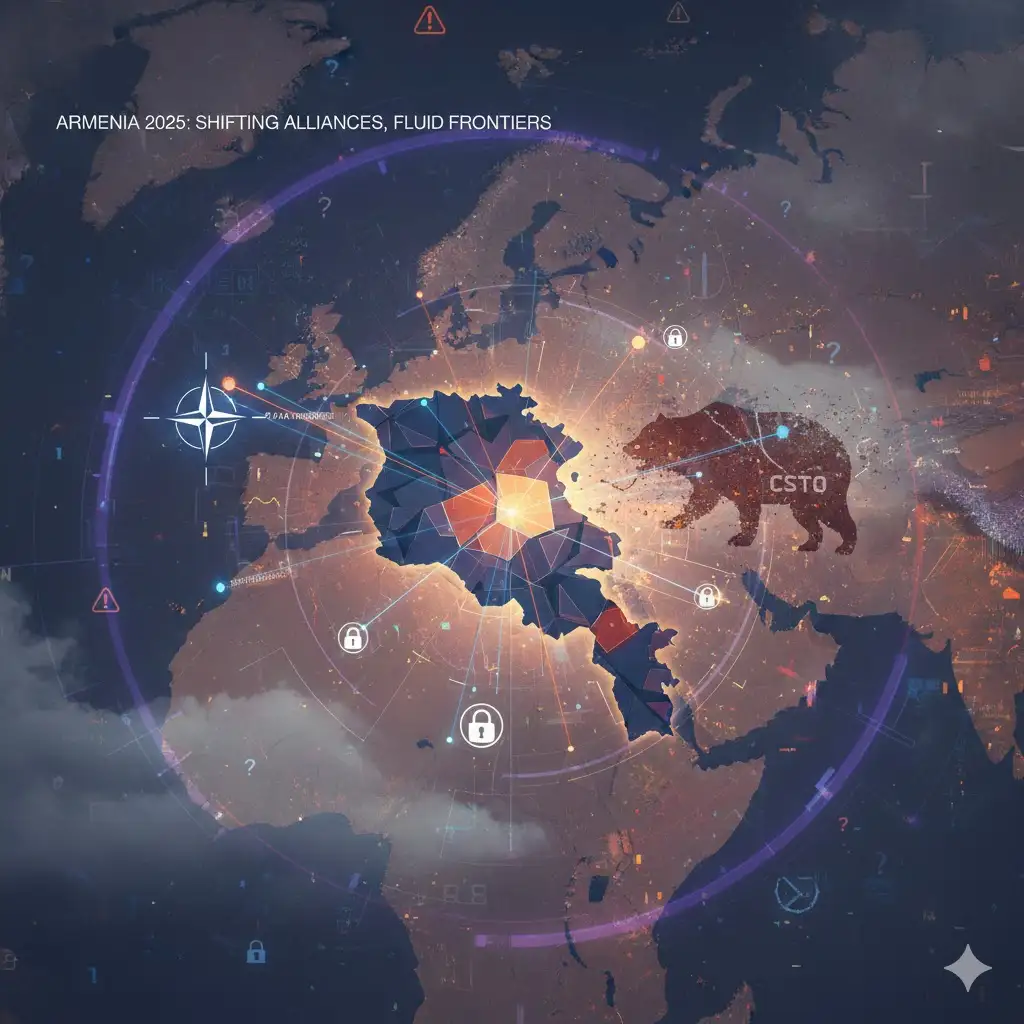
However, this process is not without risks. Russia, Iran, and Azerbaijan perceive the expanding US presence in the South Caucasus as an invasion of their traditional areas of interest, as a violation of the balance of influence they have formed. It is no coincidence that, these days, all three countries are actively returning to the topic of reviving the "3+3" format, in fact, to counterbalance Western initiatives. Turkey's position here is more nuanced. Ankara, by and large, does not perceive the US activation as a direct challenge and continues to see itself as Washington's central regional mediator. At the same time, Ankara views these processes as a means of limiting the role of Russia and, to some extent, Iran.
In any case, the only practical way to break through this resistance is to construct TRIPP as soon as possible and to involve US material investments, which should subsequently guarantee protection from both Yerevan and, primarily, Washington.
Gor Abrahamyan