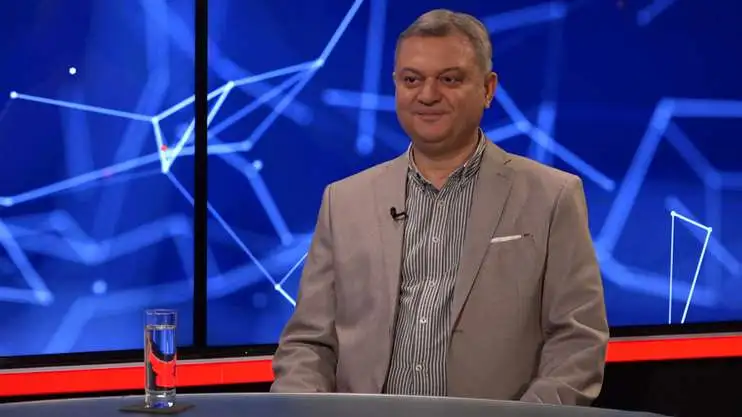



Radar Armenia's interlocutor is international affairs expert Shahan Gandaharian.
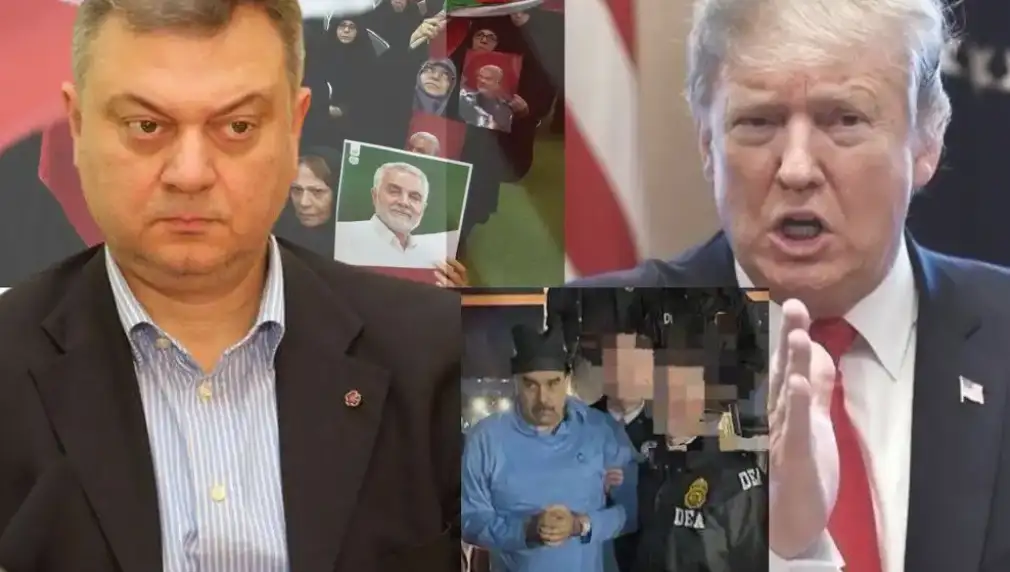
- The year started turbulently. The US first struck and arrested the president of Venezuela. What did this mean? Why did Trump, who has announced the cessation of 8 wars and is a candidate for the Nobel Peace Prize, escalate the situation?
- The Venezuelan phenomenon should be understood within the framework of the US-China economic war. The US suffered a severe blow. When Venezuela left the classical oil market, it deepened cooperation with China and even attempted to exit the U.S. dollar market and conduct transactions in the Chinese yuan. The remaining topics are secondary: corruption, drug trafficking, justice, and peace.
- How will what is happening around Venezuela end? What will be the consequences?
- They will try to subdue Venezuela. Suspended oil deals with the US will be reviewed. This will lead to internal upheavals. And externally, competition with China will intensify.
- Trump also spoke about the transfer of the island of Greenland to the US, which Denmark is against, reminding that they are also a NATO member. How would you comment on this? What developments are expected?
- Trump has been talking about Greenland for a long time. Here, in addition to the economic issue, the primary concern is security, given that country's geographic position relative to China and Russia. Denmark, as a NATO member, may play a role in preventing Trump from resorting to military measures, as he did elsewhere.
- It is very active in our region. There have been demonstrations in Iran for several days now, and there are victims. What is the consequence of what is happening?
- Iran, being blockaded and subject to sanctions, is leading to deep crises, which will give rise to large-scale uprisings in society.
- Do you also see an external trace, American intervention, since Trump also threatened Iran?
- There have been precedents. This time, however, the difference is that Iran is facing acute internal problems after receiving heavy blows on the external front. The goal is to bring the battered Iran back to the negotiating table and impose rules.
- How will the situation around Iran be resolved? Will the US strike Iran, especially since Trump made a similar threat yesterday?
- I don't think there will be military action again. This is more like Israel's demand. Despite all this, diplomatic channels are working.
- What impact will what is happening in Iran have on the region?
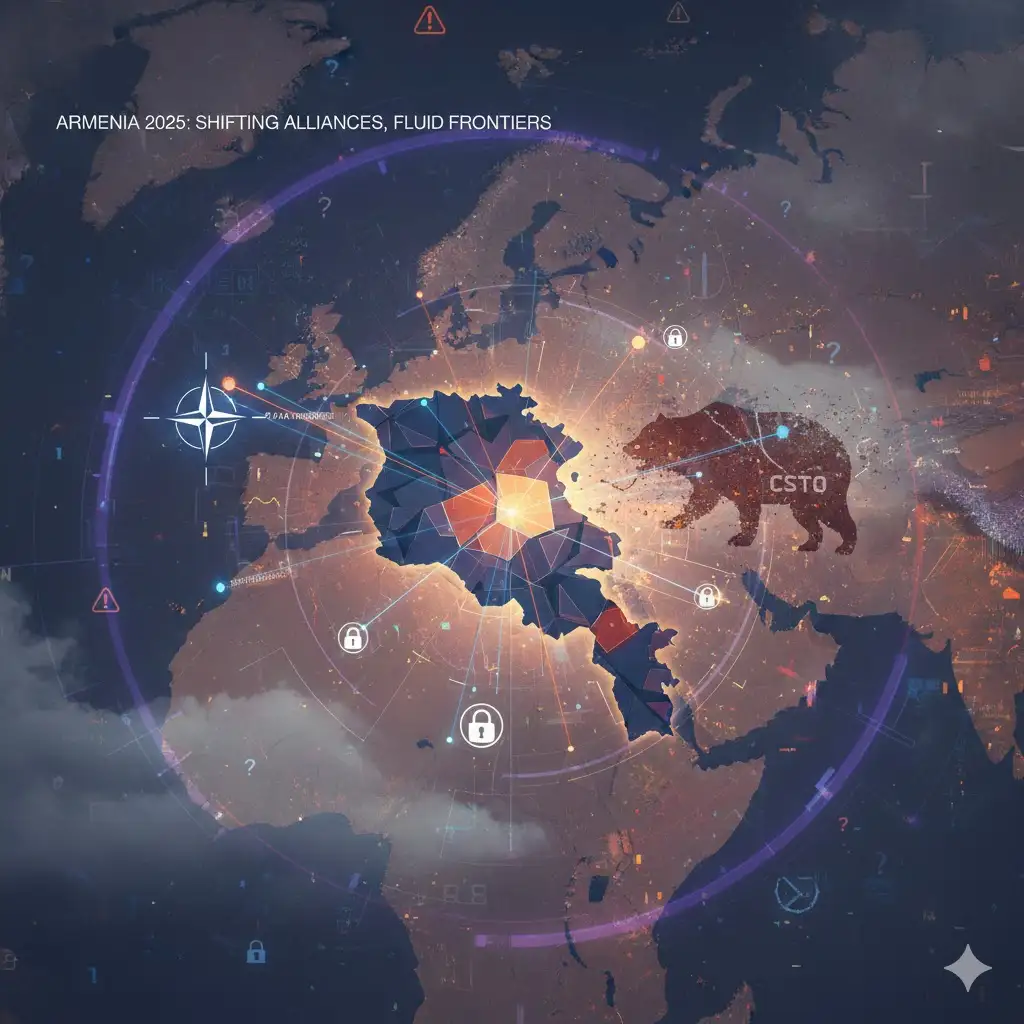
- It is clear that Azerbaijan and Turkey will benefit from Iran's weakening. The US should maintain its role in counterbalancing to prevent any player from establishing absolute dominance.
- Can this also affect the Armenian-Azerbaijani peace process and steps towards lifting the blockade, taking into account the role of Iran?
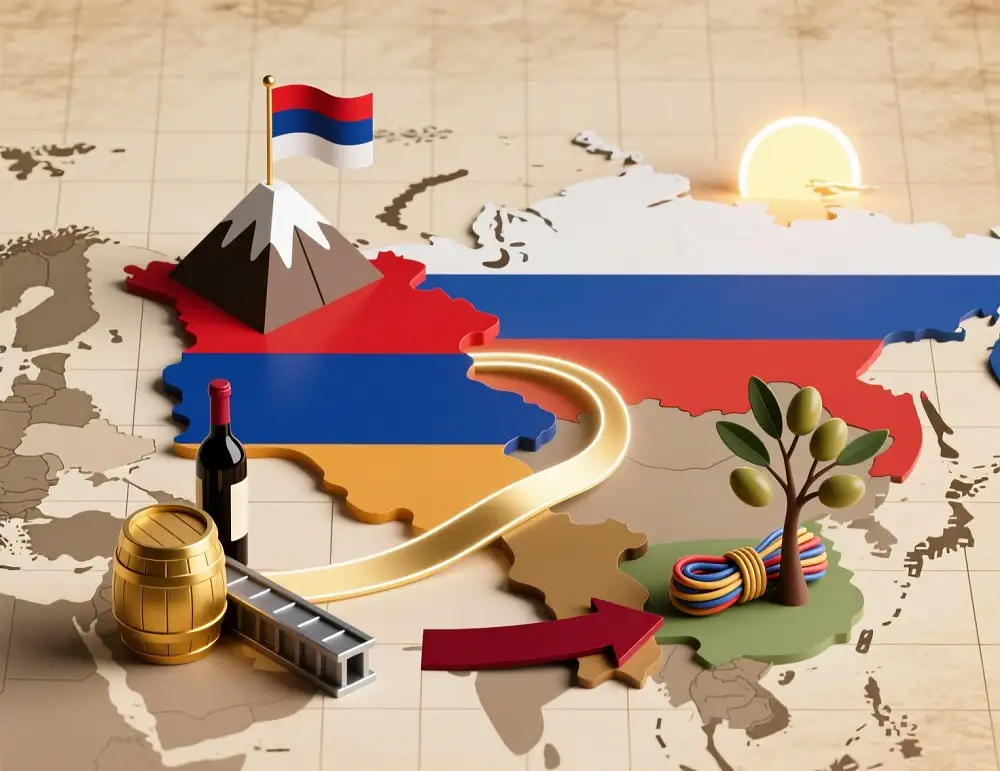
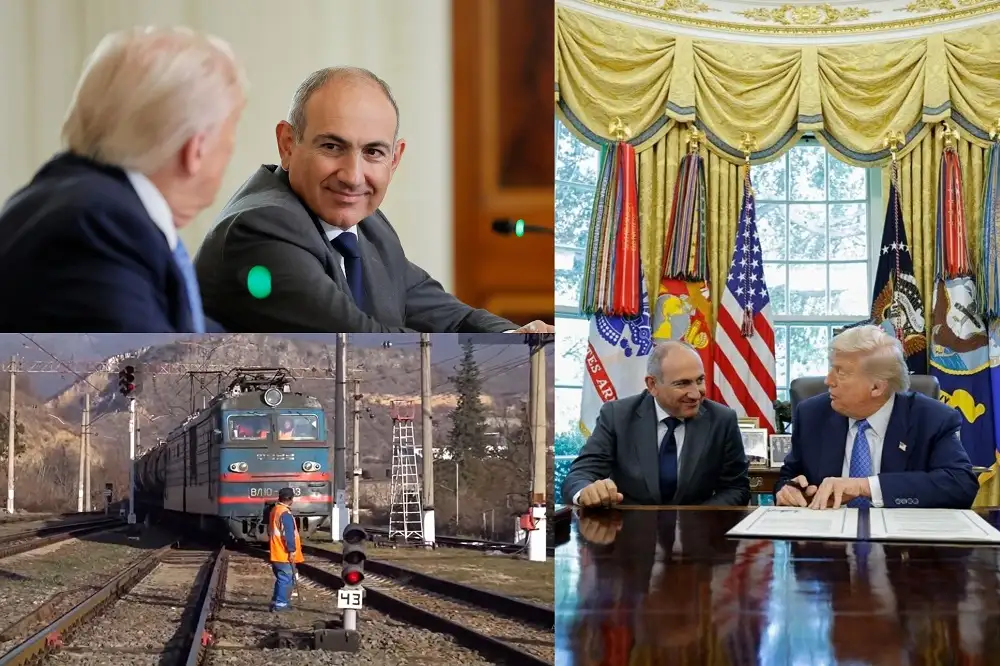
- The work of lifting the blockade projects depends on the primacy of US interests. If Washington decides to accelerate it, this will put pressure on the parties, and communication channels will function. The visit by a large Iranian delegation is noteworthy solely for its agenda of lifting the blockade, and it indicates that Tehran highly values the possibility of this option.
- By the way, since we are talking about Armenian-Azerbaijani relations, how do you assess Georgia's role in bilateral trade, when they tried to set a high transit rate at the end of last year, and then agreed to send the first batch for free?
- Georgia has first realized that the EU has slowed down its relations with it on the one hand, and has intensified them with Yerevan on the other. It seeks to lift the blockade in a way that would also bring Georgia into the projects, thereby maintaining the benefits it receives from its transit status.
Arman Galoyan