
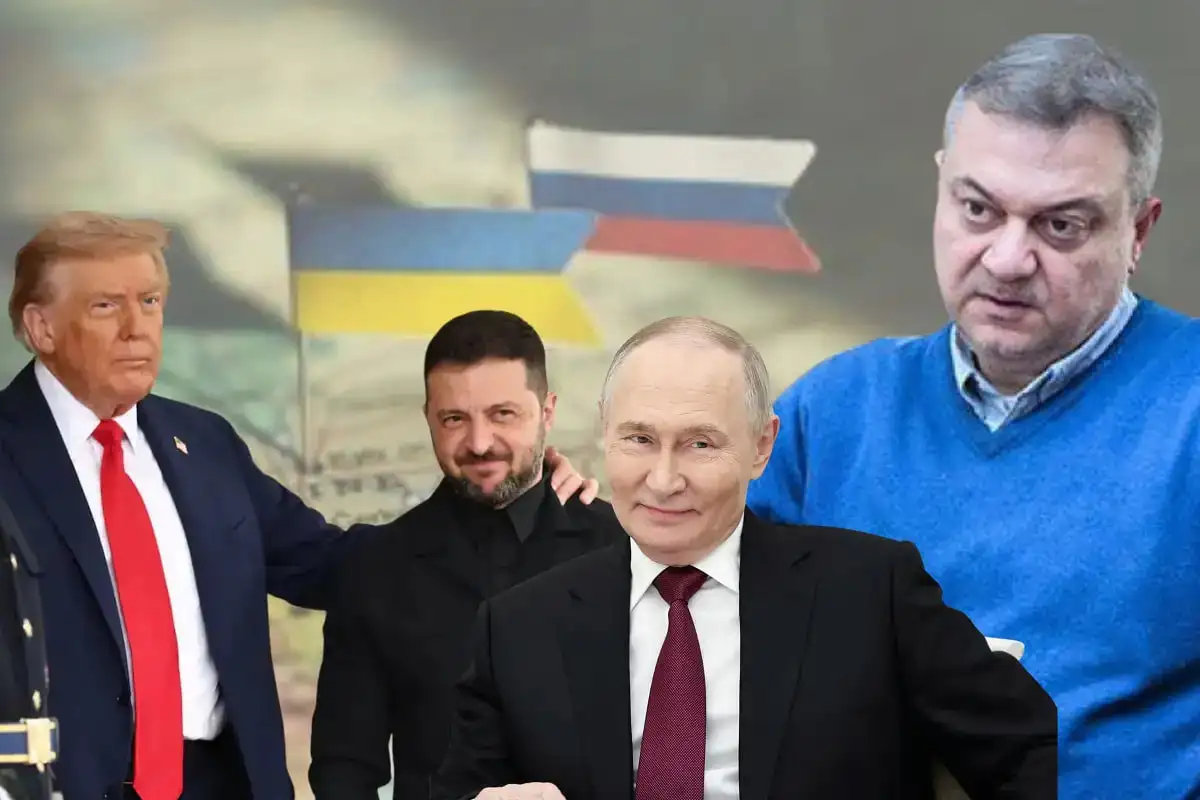


Radar Armenia's interlocutor is international affairs expert Shahan Gandaharian.
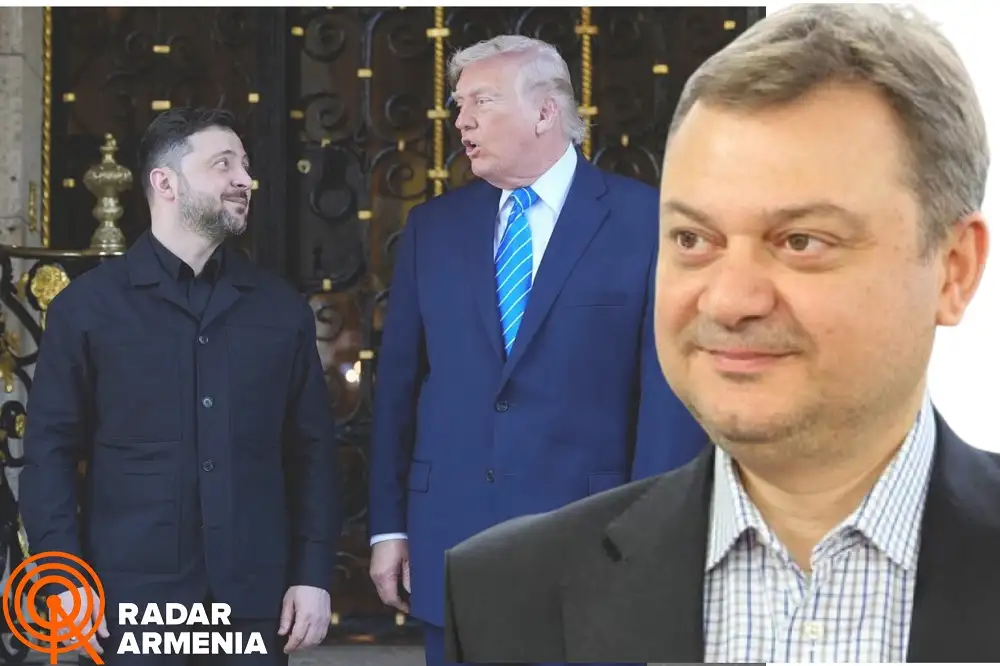
- The US is also talking about the need for presidential elections in Ukraine. Trump has spoken. How would you comment on these statements? Why did the US decide to support that idea, which is also Russia's?
- If for the US, holding elections in Ukraine has domestic motives - the people want to get rid of the long war, then for Russia, it is an opportunity to weaken Zelensky's positions. In any case, the elections could pave the way for a ceasefire, which Washington seeks. The problem, however, is the general agreement, which is not yet visible.
- How would you comment on Zelensky's reaction to all of this? And in general, will presidential elections be held in Ukraine? And if they are, what outcome can be expected in the Russian-Ukrainian conflict?
- It is clear that it is up to Zelensky. He does not consider a sharp refusal to be appropriate either. However, elections can cause internal polarization, and this requires specific prerequisites. At the same time, he argues that, in these conditions, it is more declarative than real. The holding of elections in wartime is highly questionable. The tactic here is: first, a ceasefire; then, elections. Even if they are held, they will not provide a turning point towards a sudden ceasefire or an end to the war.
- What is the reason that Zelensky disagrees with the American peace plan?
- First, internal pressure - the rise of a wave of anti-Russian sentiments, then the principled rejection of territorial concessions and, by and large, the approach of not leaving defeated. The main issue is the fate of the territories. And here, Moscow seems uncompromising.
- Turkey has also reacted to the situation. Foreign Minister Fidan said that Europe should help Ukraine make a difficult choice. How would you interpret this: will Europe help or not?
- Ankara is thus presenting itself as a mediator. It should be noted that there is no clear position within Europe to pressure Ukraine into agreeing. The central pressure, if there should be one, is Washington, not Brussels. Ankara is well aware of this, and by playing such games, it seeks to assume the role of a mediator.
Arman Galoyan