
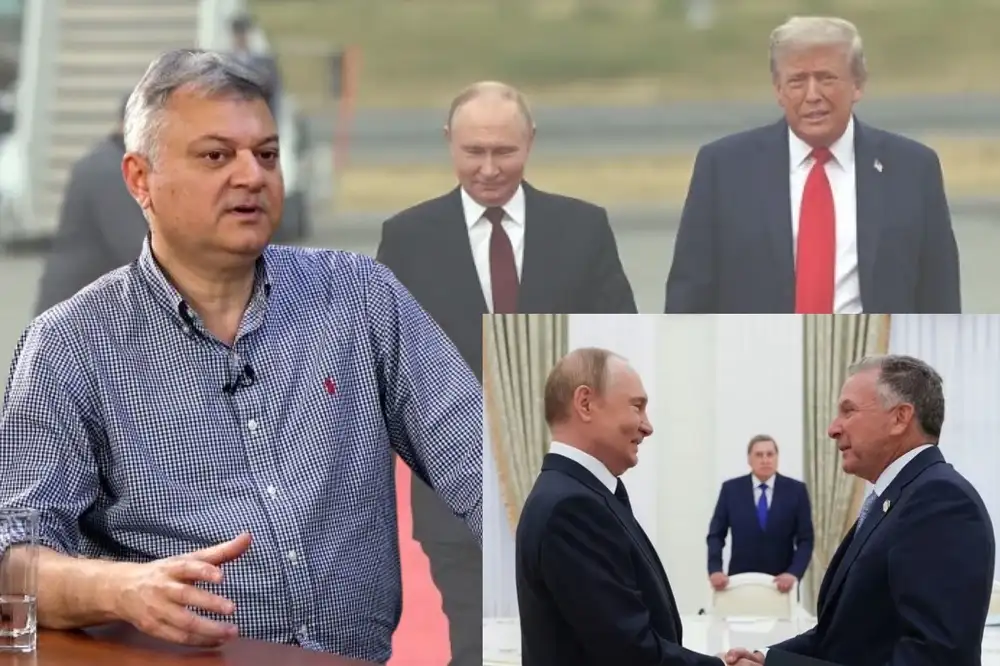


Radar Armenia's interlocutor is international affairs expert Shahan Gandaharian.
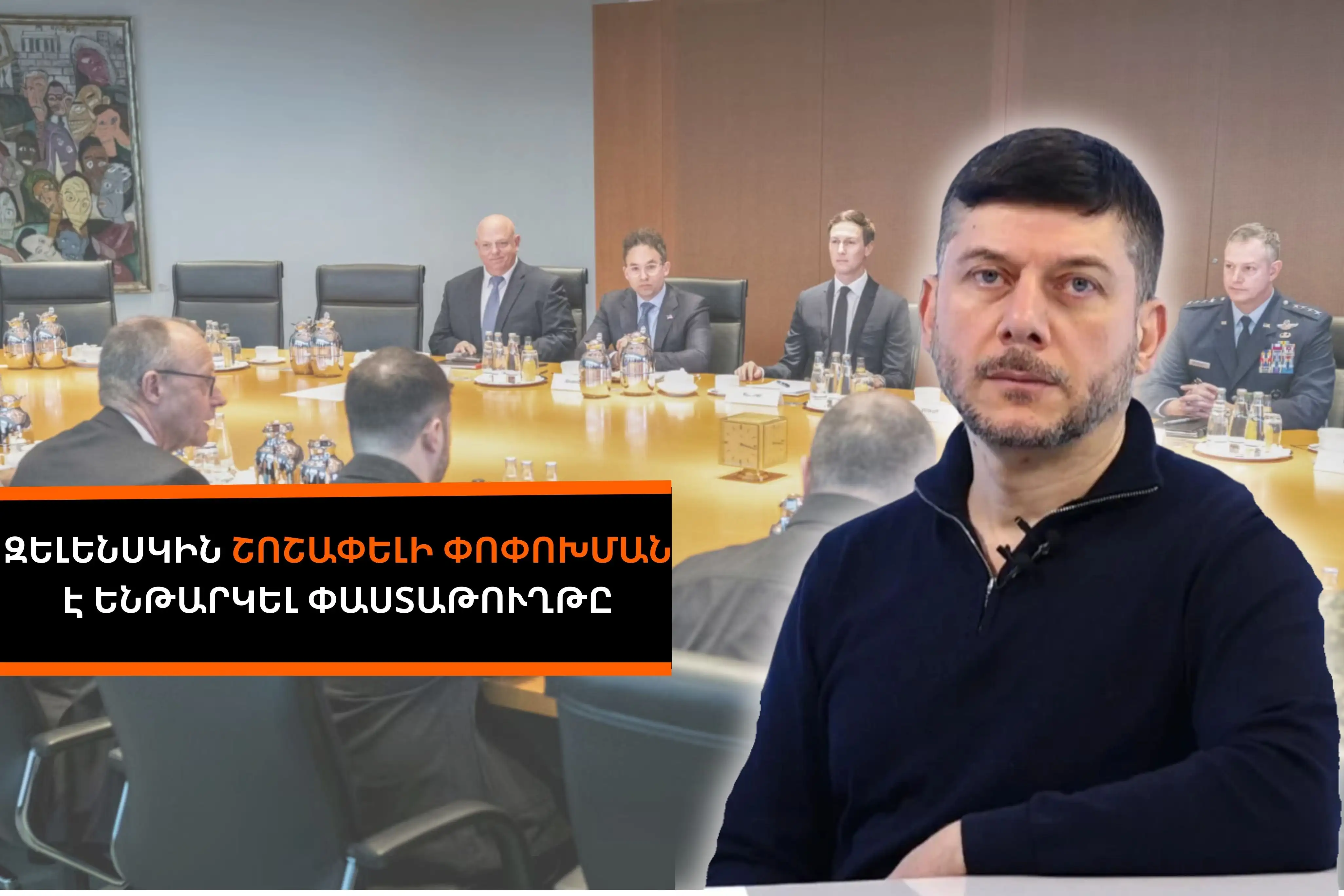
- Russian-American negotiations took place in Moscow. How effective were they? How would you comment on the results of those negotiations?
- The Moscow negotiations were effective in terms of keeping the dialogue process open. In vain in terms of reaching a basic agreement.
- Russian presidential aide Ushakov said that "a compromise option has not yet been found on the territorial issue." What does this mean, and is it possible to find such an option?
- This means that the conflict is still in a state of flux. The turning point is on the territory-security line. And here the coincidences of approaches are very difficult. Ukraine does not want to lose its sovereignty over its territories, which is also being pushed forward by the US at the moment, and Russia sees threats to its security in the Westernization of Ukraine. The two directions are at opposite ends.
- US President Donald Trump has stated that the further course of the peace talks in Ukraine is still unclear, despite good agreements with Russian President Vladimir Putin. I want to ask you also to address this statement.
- Agreements with Putin, on the other hand, are marked by the absence of a compromise option. They want to leave the impression that the dialogue will continue.
They agree to continue the dialogue. The US is interested in both the Ukrainian mines and some control over Russia's security. Russia wants territories and independent security - security without threats.
- Is the prospect of achieving peace on the Ukrainian front very distant or not?
- The negotiations will be multi-stage, multi-layered, which speaks of a long duration. The most they can agree to under these conditions is to maintain the status quo and establish a temporary ceasefire.
Arman Galoyan